Williamson River Ranch HOA Amenities and Dues Explained
March 5, 2026
March 5, 2026
If you’re eyeing a home in Williamson River Ranch, you probably want to know what those quarterly HOA dues actually buy. In a luxury, river‑adjacent community, the right association can protect your lifestyle and long‑term value. In this guide, you’ll see exactly what’s included, what to verify before you buy, and how Williamson River Ranch stacks up against other Eagle neighborhoods. Let’s dive in.
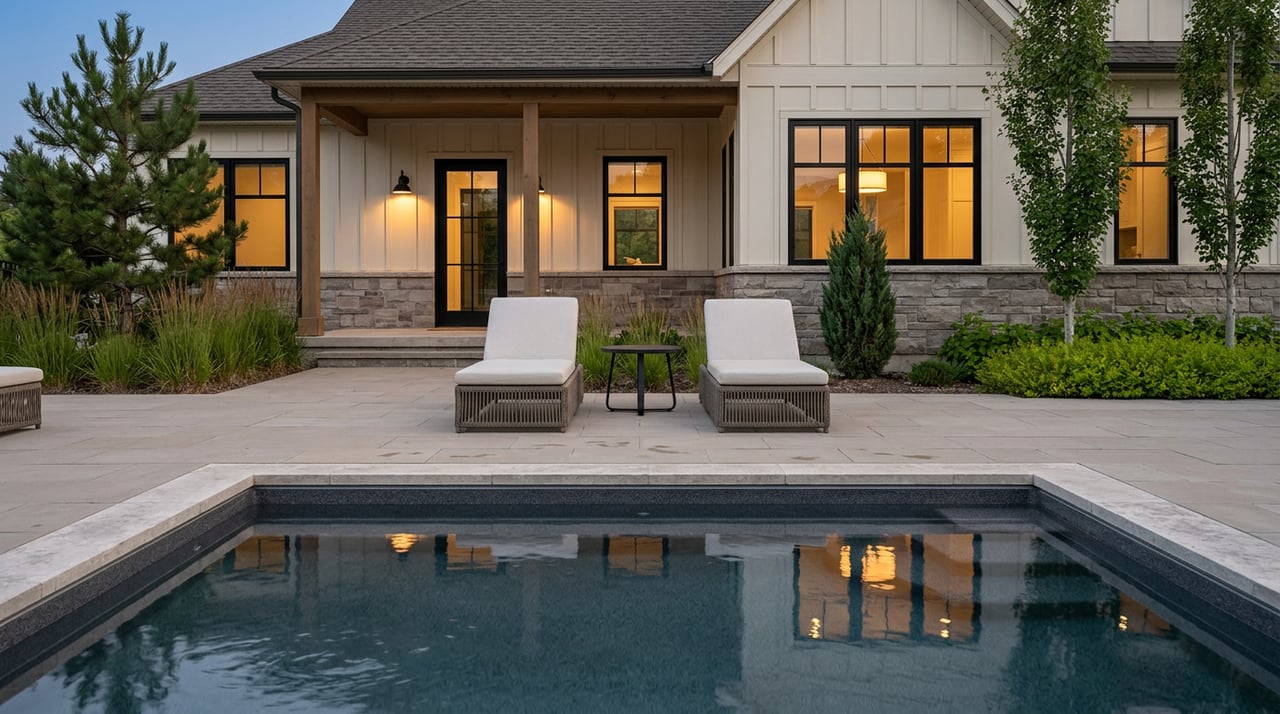
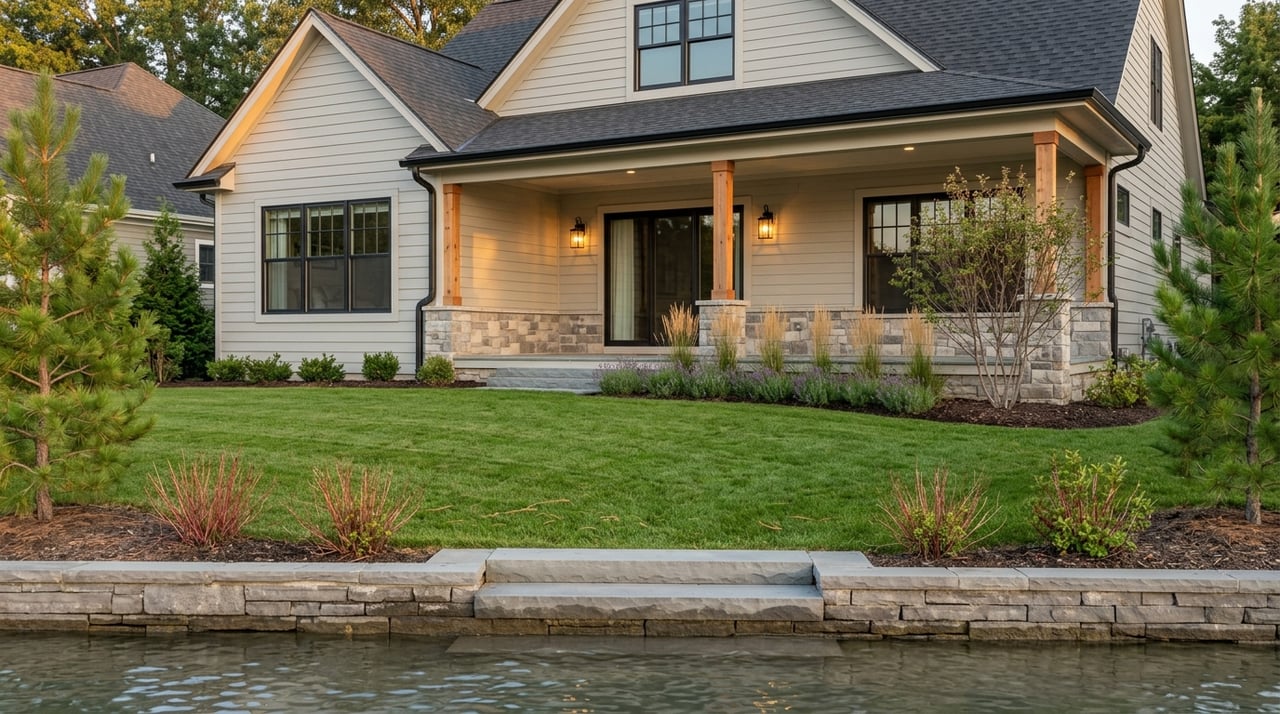
Set in Eagle near S. Eagle Rd. and E. Island Wood Drive, Williamson River Ranch is a boutique, estate‑style community with direct access to the Boise River and the Greenbelt. The developer highlights a resort‑style clubhouse, on‑site pool, private ponds with landscaped shorelines, white‑sand beach areas, and miles of paths and community landscaping. You can preview the amenity set in the developer’s overview of the community on the Williamson River Ranch website.
Multiple plat phases shape the neighborhood’s buildout and common areas. Planning materials outline a multi‑phase community with single‑family estate lots and shared amenities, which helps explain why dues and maintenance needs can vary by phase or lot type. For background, see the project summary from The Land Group.
The exact line‑item budget is set by the association each year, but in a community with a clubhouse, pool, ponds, and private Greenbelt access, HOA dues typically support two big buckets: daily operations and long‑term reserves.
Dues also build reserves for capital items with multi‑year lifecycles. That can include pool replastering, major pool mechanicals, clubhouse HVAC and appliance replacement, pond or shoreline repairs, pathway resurfacing, and irrigation system overhauls. Industry guidance recommends a structured reserve plan to minimize special assessments. For a helpful primer on reserves, see FirstService Residential’s overview of reserve funding strategies.
Most single‑family HOAs do not cover repairs inside your home, your personal utilities, or your own insurance for the dwelling and contents. Always confirm specifics in the CC&Rs and rules, but as a rule of thumb, interior maintenance and personal policies are your responsibility. The Community Associations Institute offers useful context on what associations typically cover and how to read their financials in this board and buyer guidance.
Recent listings commonly show HOA assessments in the broad range of about $750 to $990 per quarter, or roughly $3,000 to $4,000 per year. Figures can vary by lot and phase, and they change over time. Before you rely on any listing number, ask your agent to obtain the association’s current official fee schedule and confirm any differences by homeowner class or sub‑area.
The best way to value HOA dues is to pair the amenity list with the association’s financial strength and your own lifestyle goals.
Request these items early in your process so you can make a confident decision:
Williamson River Ranch is positioned as a boutique, waterfront estate neighborhood with a full resort‑style amenity package and private Greenbelt connection, which places it among Eagle’s premium river‑oriented communities. Public materials and listing snapshots for other neighborhoods show wide variation in dues structures and scales. For example, some publicly cited figures for Mace River Ranch reference lower annual dues in certain documents, but the community’s size, nature preserve, and sub‑areas create different cost profiles. For broader context on Eagle’s river and waterfront neighborhoods, see this regional overview of premium river‑access communities in Eagle and the surrounding area. Use those references as a starting point, then compare line‑item budgets, reserves, and amenity scope when benchmarking value.
Key takeaway: headline dues alone do not tell the story. Compare what each community maintains, how many homes share the cost, and how well reserves are funded.
If you plan to sell in Williamson River Ranch, position the HOA as part of the home’s lifestyle package. Highlight the ease of ownership, beautifully maintained waterfront and paths, and the practical utility of a reservable clubhouse for entertaining. Be transparent about dues and any upcoming projects. When a buyer is serious, offering the budget, rules, and reserve study up front can reduce friction and build trust.
Association insurance has become a larger planning factor for many HOAs nationwide. Availability and premiums for master policies can affect operating budgets and dues. Ask your agent to confirm the most recent insurance renewal, coverage limits, and any notices about future changes. If premiums are rising, see how the board plans to absorb costs or adjust reserves.
Whether you are comparing Williamson River Ranch to other Eagle enclaves or zeroing in on a particular lot and phase, the right documents will clarify the value behind the dues. If you want help obtaining and interpreting budgets, reserves, and rules, and weighing them against your lifestyle, connect with Georgie Pitron for a personal, neighborhood‑level consultation.
Stay up to date on the latest real estate trends.

Get assistance in determining current property value, crafting a competitive offer, writing and negotiating a contract, and much more. Contact her today.