Legacy Eagle New vs Resale: Should You Build or Buy?
February 19, 2026
February 19, 2026
You love the idea of waterfront living in Legacy, but you also want a smart move. Should you build in the latest phase or buy a well‑kept resale and move right in? The answer depends on your timeline, budget, and lot priorities. In this guide, you will compare real costs, timelines, and how lot releases in Terra View affect your options so you can choose with confidence. Let’s dive in.
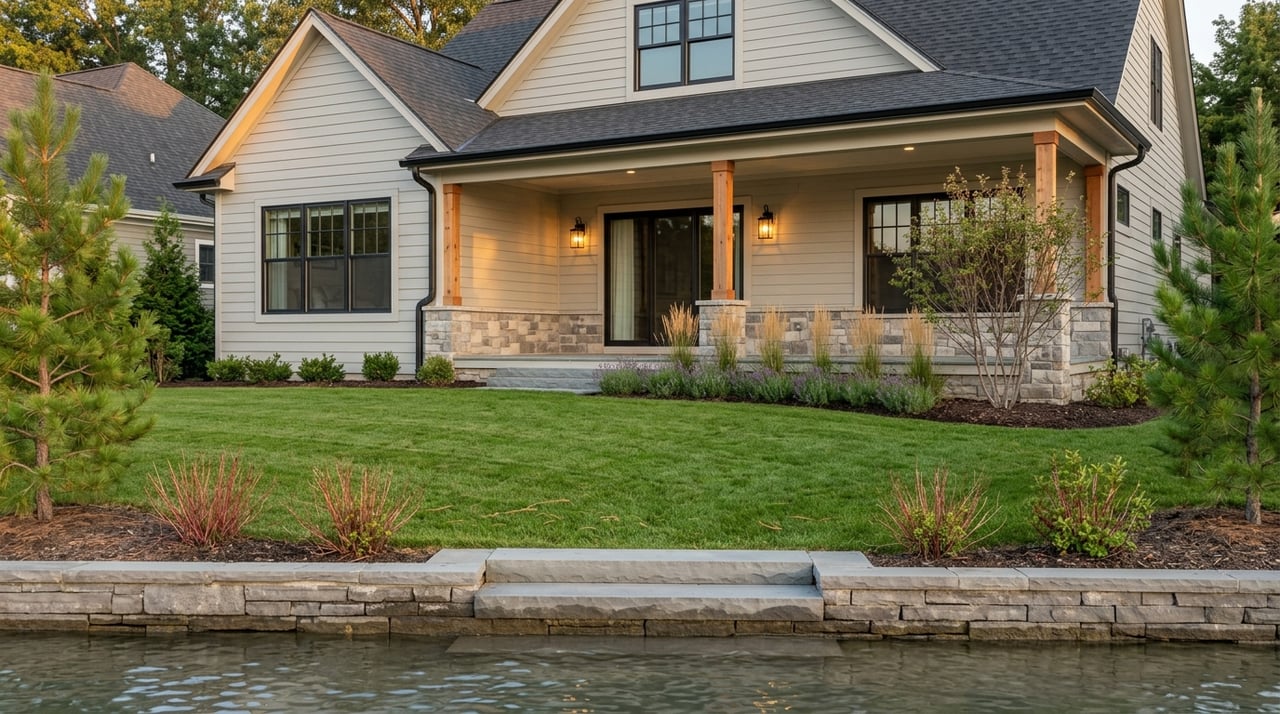
Legacy is a long‑running, master‑planned community in Eagle with ponds and lakes, paved trails, pools and clubhouse, tennis courts, and a 3‑hole practice course. You will find a mix of waterfront and non‑waterfront homes across several phases. For a quick sense of amenities and community layout, review the official overview on the Legacy developer site.
A key update for buyers today is Terra View. The developer indicates large waterfront lots in the earliest phases have sold and is promoting Terra View as a current opportunity, with waterfront lots, its own clubhouse and pool, and an 11‑acre park and splash pad. If waterfront is a must, check Legacy’s lot availability and release updates before you decide to build or buy resale.
Across Eagle, published medians vary by source and timeframe. Recent press coverage noted that in some months, new construction sold at higher price points than many resales, which helped push Eagle’s overall median above the one‑million mark. The practical takeaway is simple: medians can shift based on whether new construction is a large share of sales and on the period being measured. See the local context in this recent market write‑up.
In Legacy, that split between new and resale often shows up as higher lot premiums and upgrade budgets on the new‑build side, while resale may offer value per square foot if finishes and floor plan meet your needs.
Lot inventory in Legacy is managed by phase. When a phase opens, the best locations can move quickly, especially true waterfront. Public snapshots have shown late‑phase single lots priced in the mid six figures. For example, Legacy listings from Sherburne‑Marrs highlighted lots about 0.25 to 0.27 acres in the roughly 345,000 to 575,000 range at that time, with waterfront or view commanding more. You can review an example of Legacy lot snapshots here: Sherburne‑Marrs Legacy page. Always confirm current pricing and availability with the developer or builder.
If your non‑negotiables include waterfront, specific orientation, or an oversized site, Terra View’s phase timing may drive your entire decision. That is why verifying the release calendar early can save you time and stress.
Published starting prices for luxury and move‑up plans in Legacy commonly appear in the roughly 800,000 to 1.2 million plus range, depending on builder, plan, and lot. Your total budget should also include a lot premium, design center upgrades, landscaping, and potential site work. In many luxury segments around Eagle, new construction often sells at a higher price per square foot than resale. That lift helps explain why months with a strong share of new builds can pull headline medians higher.
Your schedule is the critical lever. Typical ranges are:
If you have a firm move date or are relocating on a tight schedule, inventory or resale is usually more reliable than a ground‑up build.
Construction financing works differently than a standard mortgage. Many buyers use a construction‑to‑permanent loan that converts to a regular mortgage at completion. Others use a construction‑only loan and refinance when the home is finished. Review the mechanics of draws, inspections, and rate risk in this construction loan overview.
Government‑backed options like FHA one‑time‑close and VA construction loans exist, though lender availability and underwriting can be more limited. If you are exploring these routes, start early and confirm today’s guidelines with local lenders. Read more about FHA’s program here: FHA construction‑to‑permanent basics.
Builders also cycle incentives through the year. You may see rate buydowns, closing cost help, or design credits, especially on quick move‑in homes or to wrap up a phase. For national context on incentives, review this roundup of buyer deals. Always compare a preferred lender offer against independent quotes, and weigh total cost of funds over the life of the loan.
New homes deserve inspections too. Plan on at least a pre‑drywall and a final inspection to catch issues before walls close and before you take keys. Most builders offer warranty protection that commonly follows a 1‑2‑10 format, which may include one year on workmanship and materials, two years on systems, and ten years on major structural coverage. Confirm exact terms and whether coverage is backed by a third‑party insurer.
Resale can deliver certainty and speed. You can often close on a standard mortgage and move in quickly, which is a major benefit if you are timing a relocation or coordinating the sale of your current home. Mature landscaping and established streetscapes are appealing, and you may find a larger home at a better price per square foot than a similarly sized new build.
Negotiation is another factor. In a period with more inventory or longer days on market, some sellers may offer concessions for repairs or closing costs. That flexibility can close the gap between resale and new construction pricing.
Resale means inherited wear and tear. System replacements, cosmetic updates, and renovation to match your taste can offset the purchase savings. If you want a specific lot feature, such as true waterfront, access depends on what is listed at the moment. When the developer has already sold prime lots, you may need patience to catch the right resale.
Advantages
Watchouts
Advantages
Watchouts
Work through these questions to clarify your best path in Legacy:
When you compare apples to apples, use a line‑item approach:
New construction
Resale
HOA dues vary by sub‑neighborhood in Legacy. Past examples have shown figures near the mid‑four digits annually, with some enclaves higher. Always review current CC&Rs, design standards, and budgets early so your plan and finishes align with neighborhood guidelines.
Start with the source. Review Legacy’s lot map and release timing so you know what is truly available today.
Bring your agent from the first tour. Builder registration often happens at your initial visit, and your agent represents your interests on pricing, incentives, and contract language.
Get the right pre‑approval. Match your financing to your path, and compare any preferred‑lender incentives to independent quotes. Use this construction loan primer if you are weighing one‑time close vs two‑close.
Ask for transparent estimates. Request a written breakdown of base price, lot premium, upgrades, site costs, change‑order fees, and a milestone timeline.
Confirm warranties and HOA terms. Know the warranty structure and whether structural coverage is insurance‑backed. Get CC&Rs and architectural guidelines early.
Plan inspections. Schedule pre‑drywall and final inspections even on a brand‑new home.
If you are weighing build versus resale in Legacy and want a clear path tailored to your goals, connect with Georgie Pitron for a personal consultation and a step‑by‑step plan.
Stay up to date on the latest real estate trends.


Get assistance in determining current property value, crafting a competitive offer, writing and negotiating a contract, and much more. Contact her today.