The Colony Eagle Outbuilding Shop Planning Guide
April 16, 2026
April 16, 2026
If a detached shop or outbuilding is on your must-have list, buying in The Colony takes more than finding a large lot. You want enough space, the right approvals, and a plan that works for your lifestyle without creating surprises later. The good news is that The Colony already shows strong demand for accessory space, and with the right due diligence, you can buy with much more confidence. Let’s dive in.
The Colony in Eagle is known for acreage-style living, with recent listing pages showing lots around 0.84 to 1.05 acres and many homes built in the early 2000s. That extra land is a big part of the neighborhood’s appeal, especially if you want room for hobbies, storage, extra vehicles, or a future detached building.
Recent listings also show that accessory space is already part of the local value story. Properties in and around The Colony have been marketed with features like a heated 40-foot shop, a heated 28x42 shop, a shop with electricity, and even room for a future 1,200-square-foot shop, ADU, or pool. That tells you buyers are actively looking for flexible space in this neighborhood.
At the same time, not every lot will work the same way. Parcel size, layout, easements, and existing improvements can all affect what you can build. That is why it helps to treat a future shop as a property-specific question, not a neighborhood-wide assumption.
Before you fall in love with a home, confirm whether the parcel can actually support the outbuilding you have in mind. Example listing data in The Colony shows differences in lot size, zoning, and garage capacity from one property to another, so the answer may vary even within the same subdivision.
A buyer should verify the exact parcel details, including setback pattern and any recorded easements, before assuming a shop will fit. This step matters because a lot that looks spacious at first glance may still have placement limits once setback lines and utility areas are accounted for.
If you already know the size or use you want, bring that into your home search early. A 20x20 hobby structure is a different planning exercise than a large heated shop, RV storage building, or future guest-style space.
In Eagle, detached garages, shops, sheds, additions, and pools all fall under residential applications. According to the City of Eagle building department, the current posted plan-review time is six weeks for these project types.
That timeline matters if you hope to build soon after closing. It also means your project budget and move-in plans should leave room for review time rather than assuming you can start immediately.
The city also makes an important point: do not guess about permit requirements. Eagle warns that unpermitted work can reduce property value and create insurance issues, which is a major reason buyers should investigate any existing detached structures before closing and verify the process for any future build.
Some outbuildings need more than a basic concept sketch. Eagle states that a pole barn or post-frame shop requires a stamped engineered design. If the structure will be heated or cooled, a separate permit is required, and the work must be performed by a licensed Idaho contractor.
That can affect both cost and planning. A simple cold-storage building may have a different path than a conditioned workshop designed for year-round use.
If your long-term vision includes electrical service, HVAC, plumbing, or upgraded finishes, it helps to think through those details before you buy. The more clearly you define the intended use, the easier it is to evaluate whether a property is a strong fit.
One of the biggest buyer mistakes is assuming city approval is the only step. In The Colony, buyers should expect an HOA layer in addition to city permitting, since one current listing page shows HOA dues of $75 per month and Eagle has its own separate design-review process.
The City of Eagle design-review overview explains that many exterior and site changes within city limits are subject to design review. Approved projects must follow the city’s architectural and site design standards.
For that reason, the safest approach is to ask for the HOA CC&Rs, architectural guidelines, and any amendment history before making an offer if a detached shop is central to your plan. City approval and HOA approval are separate steps, and both may affect your options.
Setbacks are one of the most important details in planning a shop or outbuilding. If your ideal location for the structure is close to the rear property line, Eagle’s accessory building setback waiver checklist is worth reviewing.
The city says an accessory structure may be placed within 15 feet of the rear property line only if several conditions are met. Those include compatibility with surrounding scale and design, minimizing impacts, protecting neighboring use and sight distances, and securing written approval from adjoining owners.
In practical terms, that means a backyard shop is not only about whether it physically fits. Placement, visibility, and neighbor impact can all influence whether the plan is likely to move forward smoothly.
A shop should work for you now, but it should also make sense for a future buyer. Fannie Mae says appraisers must address market resistance when improvements are not compatible with the neighborhood or competitive market because of factors like design, quality, size, or condition.
That guidance has a real-world takeaway for The Colony. A well-integrated shop can support marketability, while an oversized or mismatched structure may narrow the buyer pool.
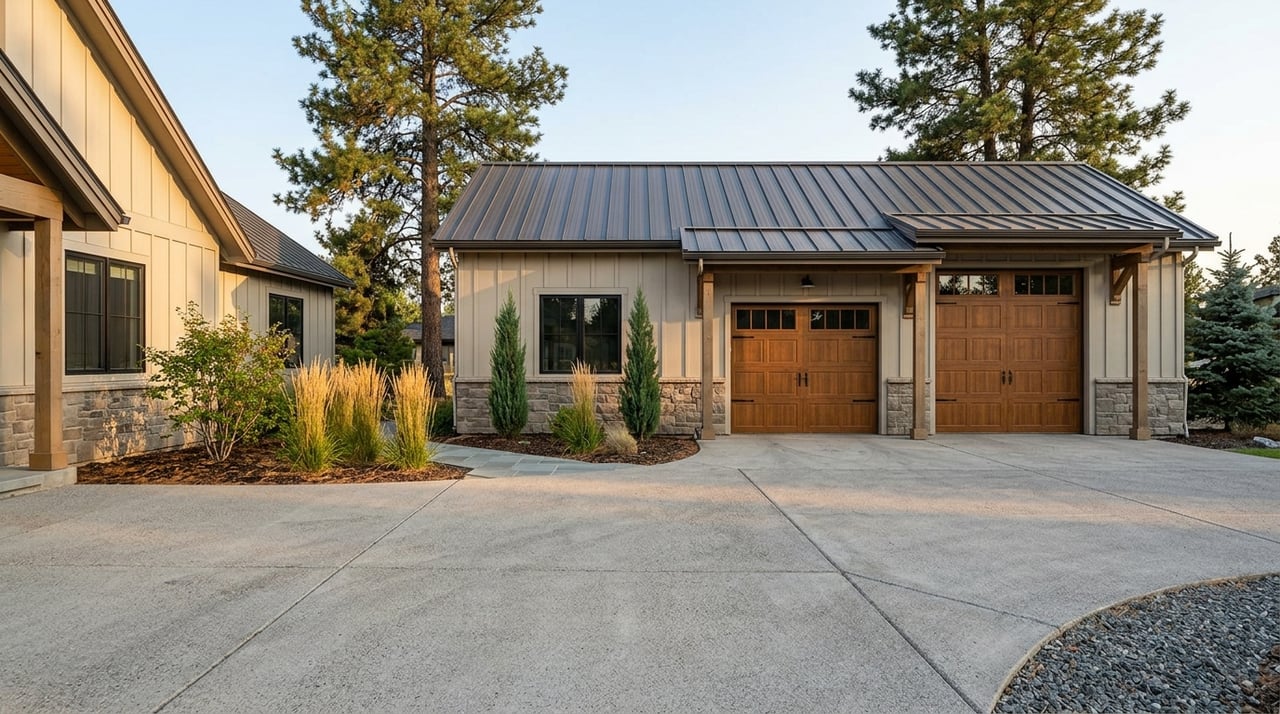
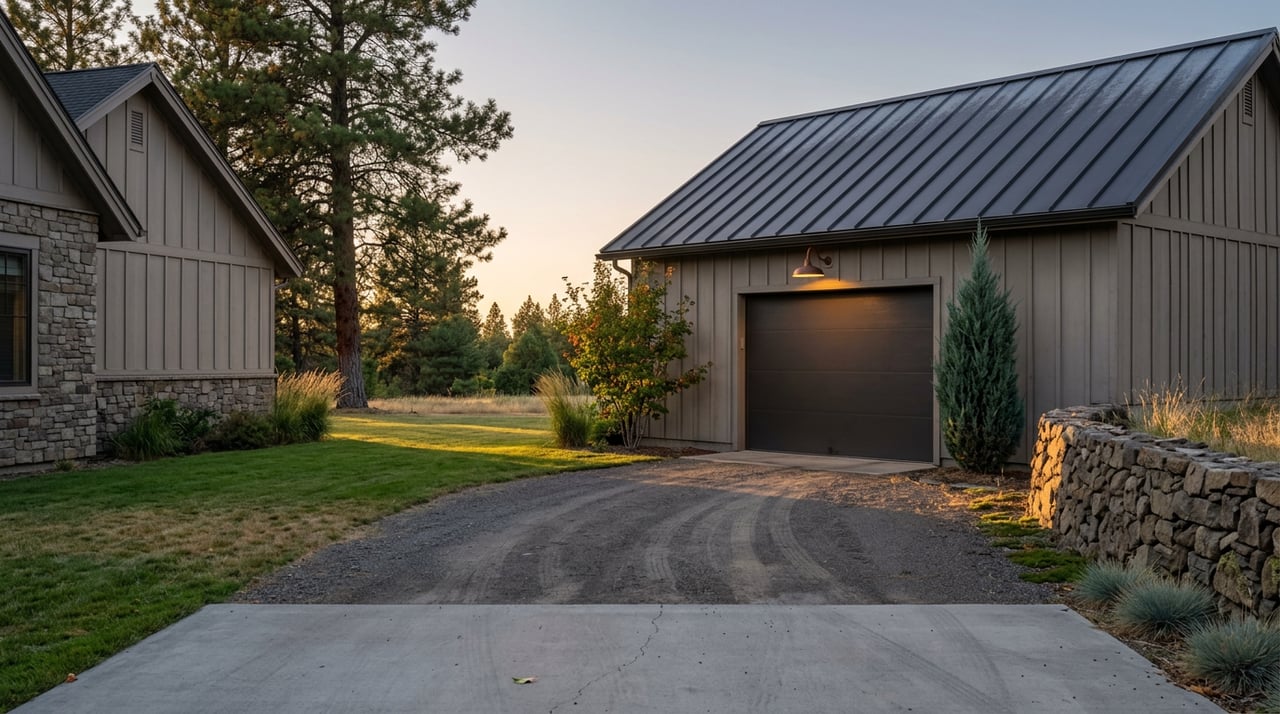
In this neighborhood, the most resale-friendly outbuildings are usually the ones that look like they belong on the property. That often means a similar roof pitch, compatible materials and colors, balanced window and door proportions, and placement that preserves the home’s street-facing curb appeal.
The Colony’s value proposition is closely tied to larger lots, mature landscaping, and polished curb appeal. Because of that, the best long-term outcome often comes from keeping an outbuilding visually secondary to the main home and preserving a sense of open yard space.
This does not mean a shop has to be tiny. It means scale and placement matter.
If the building dominates the lot, crowds the rear yard, or feels disconnected from the architecture of the home, it may be less appealing when it is time to sell. A thoughtful site plan can protect both daily function and long-term value.
Some buyers start with a “shop” idea but really want future living space. That distinction matters. Fannie Mae defines an ADU as independent living space, and it notes that a standalone structure that does not meet ADU minimum requirements should be treated as an ancillary structure for valuation.
If your project includes sleeping, cooking, or bathroom space, it may move into ADU territory rather than remaining a simple detached shop. That can affect permitting, appraisal, financing, and design choices.
If your long-term goal is a guest suite or future ADU-style use, it is smart to design around that use from the beginning. Planning for it up front can help you avoid expensive revisions later.
If a shop or outbuilding is part of your home search in The Colony, focus on these steps before you commit:
A careful review on the front end can save you time, money, and frustration later. It can also help you identify the lots that truly support your vision instead of forcing compromises after closing.
In The Colony, a shop or outbuilding can be a meaningful asset when the lot, approvals, design, and long-term use all line up. The neighborhood already shows demand for accessory space, but the strongest opportunities usually come from homes where the property can support the structure without sacrificing curb appeal or resale flexibility.
That is where local guidance matters. When you know how to evaluate lot fit, review layers, and future value at the same time, you can buy with a clearer strategy and avoid expensive assumptions.
If you are looking for a home in The Colony and want expert guidance on whether a property can support your shop, outbuilding, or future accessory-space plans, Georgie Pitron can help you evaluate the details with a local, concierge-level approach.
Stay up to date on the latest real estate trends.


Get assistance in determining current property value, crafting a competitive offer, writing and negotiating a contract, and much more. Contact her today.