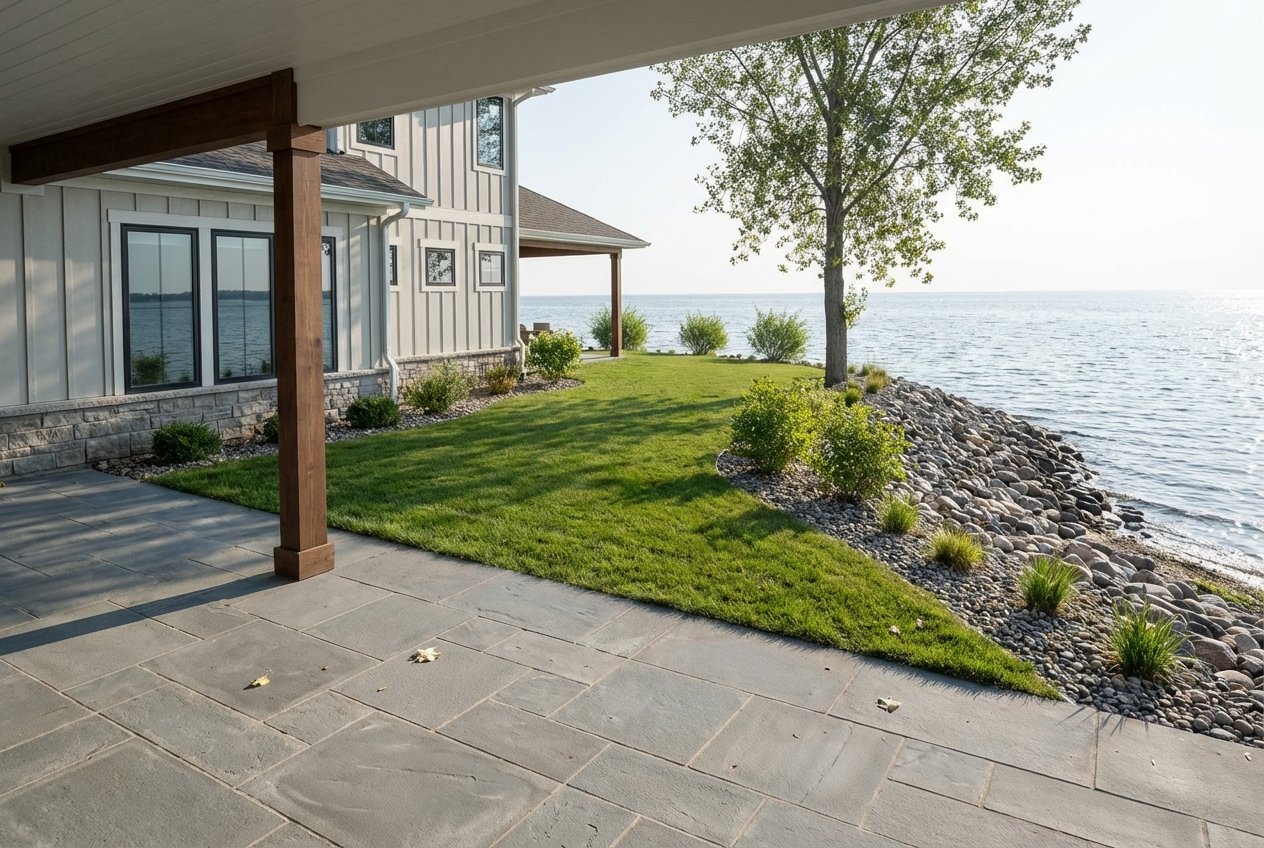
How to Choose the Best Mace River Ranch Waterfront Lot
February 26, 2026
February 26, 2026
Thinking about waking up to water views in Mace River Ranch but not sure which lot truly fits your lifestyle and long-term plans? You are not alone. Between the Boise River, community ponds, Greenbelt access, and HOA rules, there is a lot to weigh before you choose a site. In this guide, you will learn the key differences between riverfront, pondfront, and water-view lots, what to verify before you write an offer, and how these factors affect ownership and resale. Let’s dive in.
Set along the Boise River in Eagle, Mace River Ranch is a 192-acre master-planned community with estate and patio-style lots, scenic ponds and waterfalls, a clubhouse and pool, 2.5 miles of interior trails, a 40-acre nature preserve, and direct connections to the Boise River Greenbelt. You can review a community overview on the developer’s project page for context on amenities and site planning on the Gardner Group’s Mace River Ranch page.
For water features, flood mapping, and rules, the HOA provides detailed plat maps, an irrigation map, and Letters of Map Revision that affect several phases. Those materials help you confirm pond boundaries, common-area maintenance, and lot-level flood status. Start with the HOA’s document library to see what applies to the phase you are considering on the Mace River Ranch HOA site.
These parcels back to the Boise River or a connected channel. They are the most premium and the most regulated. Verify the exact boundary, whether any public Greenbelt or river-access easement exists, prior bank-stabilization work, and the flood designation for the building envelope. You can check current flood panels and create an address-specific FIRMette through the FEMA Map Service Center.
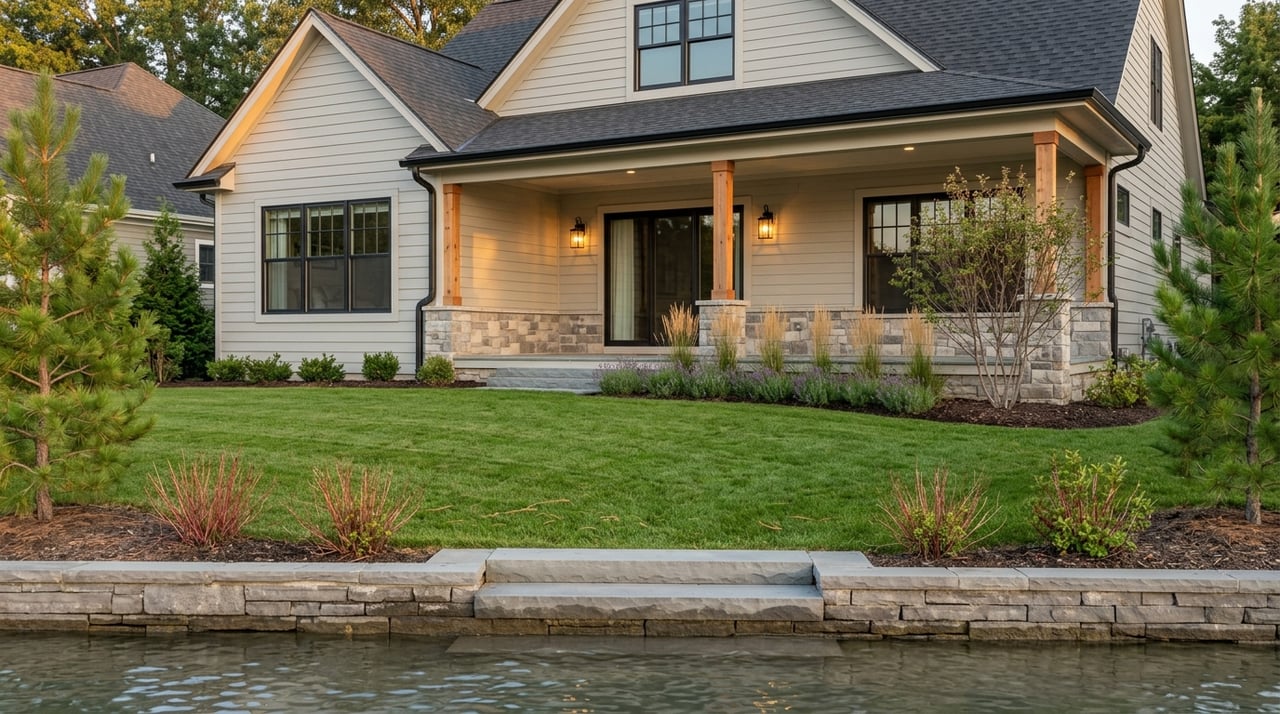
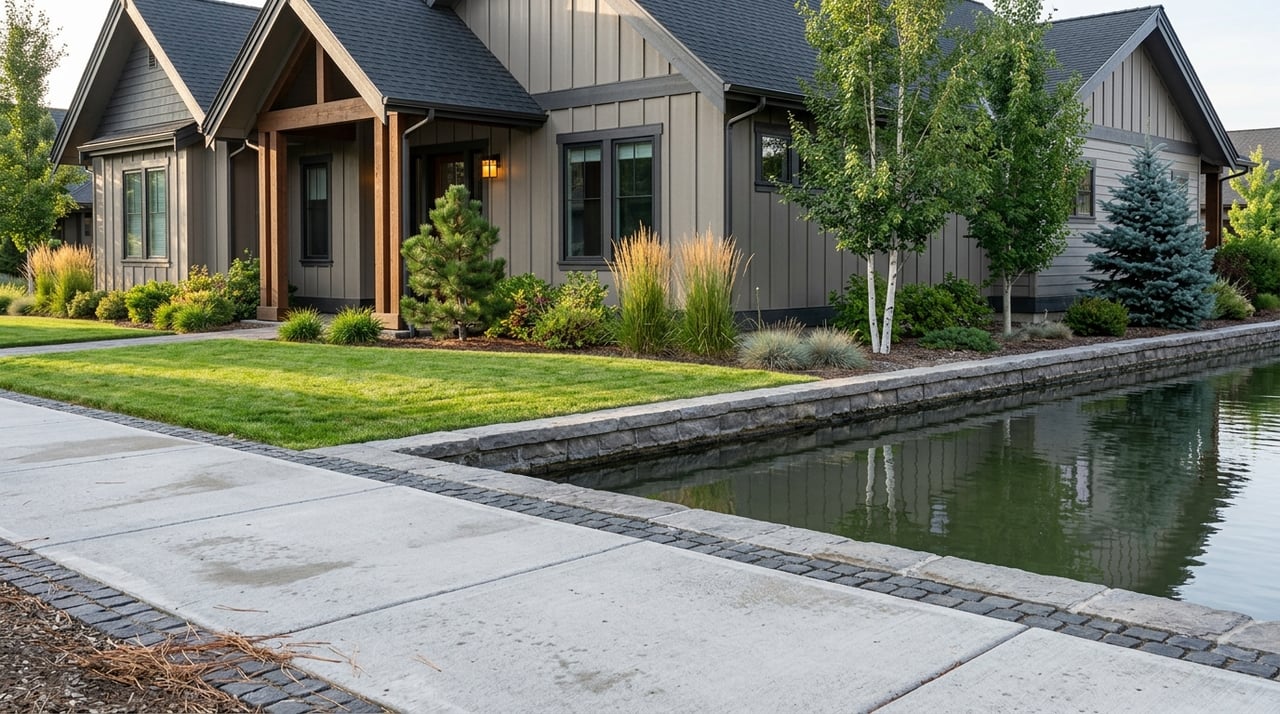
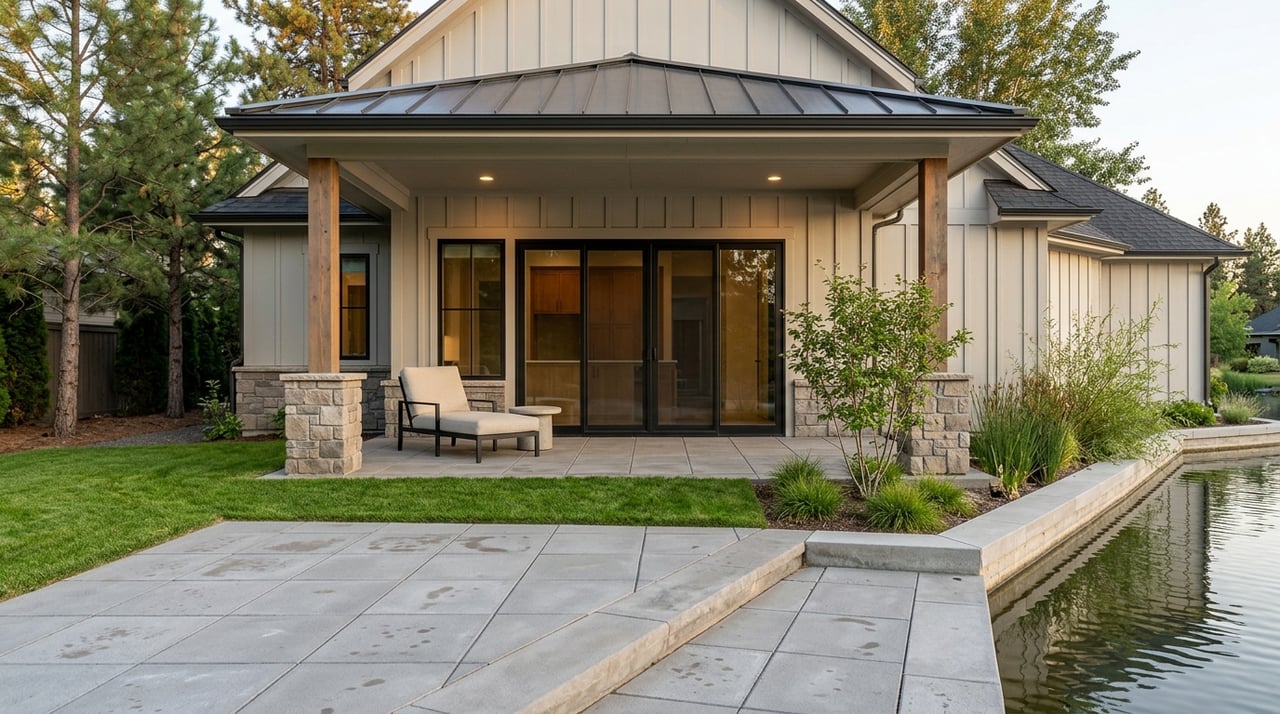
These lots touch HOA-managed ponds and water features. Owners often enjoy low-impact recreation such as fishing or paddleboarding, subject to HOA rules. Confirm which ponds are private versus HOA common area, use policies for boats or swimming, how ponds are maintained, and if there is an easement strip between the yard and water. The HOA’s Named Pond Map and governance documents lay this out in the HOA document library.
These sites are positioned for views without direct shoreline. They typically carry lower flood and permitting exposure than true riverfront parcels, which often makes them simpler to insure and build on.
Lots that border the 40-acre preserve and Greenbelt enjoy easy trail access and a strong outdoor lifestyle. The tradeoff is more public foot and bike traffic near the backyard. The City of Eagle recently completed the Mace Park parking lot that supports Greenbelt access near the Eagle Road bridge. Review that context on the City of Eagle Mace Parking Lot page.
A gated Estates section offers larger lots with more frontage and privacy. Pricing and build expectations can differ from smaller patio or pondfront parcels. Use the phase plat to confirm lot size, setbacks, and water adjacency details.
Sun exposure shapes how you use patios and great rooms, how early a backyard warms up, and how your water views feel morning to evening. Prevailing winds can influence bugs and evaporation patterns on ponds. Orientation also affects how the home photographs for resale. Walk the lot at different times of day to see light, shade, and sightlines to foothills.
Never assume you can add a dock or permanent access. On navigable waters, the State of Idaho manages submerged lands and may require leases or permits for docks and in‑water structures. City or county building permits and in some cases federal approvals can also apply. Confirm any existing authorization and whether it transfers to a new owner by reviewing recorded permits and checking guidance with the Idaho Department of Lands.
Riverfront and pond-adjacent parcels near the Boise River are sensitive to base flood elevation and Special Flood Hazard Area status. Lenders may require flood insurance if any part of the structure lies in a mapped SFHA. Mace River Ranch has multiple Letters of Map Revision that change how FEMA maps apply to specific phases. Pull the effective map and any LOMR through the FEMA Map Service Center, then match those records to the HOA’s posted LOMR documents in the HOA library. You can also review local floodplain overlay requirements with Ada County’s Development Services hazard overlay guidance.
Ask whether the lot or nearby parcels have had riprap, willow plantings, or other stabilization work, and if there are ongoing maintenance responsibilities. The Boise River Flood Control District 10 coordinates local repair projects and can be a source of records. Review recent activity and background at boiseriver.org.
Confirm what the HOA maintains, from pond banks to algae control, dredging cycles, fish stocking, and preserve care. Ask about irrigation assessments and whether they are separate from regular dues. The HOA provides governance docs, maps, and management contacts you can review before you commit on the Mace River Ranch HOA site.
Water features and the Greenbelt attract wildlife like geese and herons. Standing water also requires algae and mosquito management. Check HOA minutes or committee notes for how the community manages pests and water quality so you understand seasonal rhythms and owner responsibilities.
Greenbelt-adjacent lots offer direct trail access but can experience more passersby and nearby parking. Confirm any recorded pedestrian easements or view corridors on or near the lot. Walk the closest access points at different times and days to get a feel for activity.
Many lots advertise pressurized irrigation. Clarify the service source and whether irrigation is included in dues or billed separately. The HOA irrigation map and Idaho Department of Water Resources background are helpful context as you verify rights and service with IDWR’s terminology overview.
Work through these items as you compare lots or enter contract. Keep copies of all records in one folder for easy lender and insurance review.
When you pair the right lot type with your lifestyle and risk tolerance, you set yourself up for years of enjoyment and a stronger resale story. If you want a calm, expert process, introductions to trusted builders, and a clear side-by-side on your top choices, connect with Georgie Pitron for a personal consultation.
Stay up to date on the latest real estate trends.
Get assistance in determining current property value, crafting a competitive offer, writing and negotiating a contract, and much more. Contact her today.