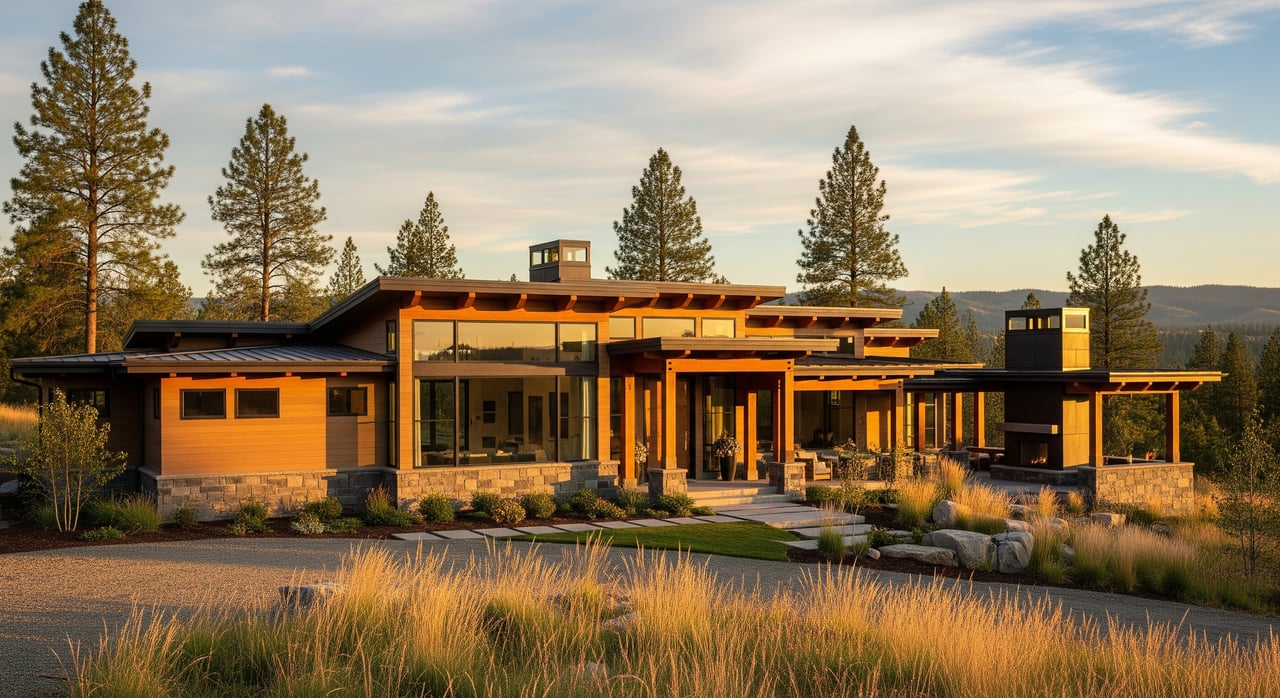
How to Build Custom in Creighton Woods
January 1, 2026
January 1, 2026
Thinking about building a custom home in Creighton Woods but not sure where to start? You want a smooth process, a design that fits the neighborhood, and a budget you can trust. In this guide, you’ll learn how to navigate HOA design review, permits, utilities, financing, timelines, and builder selection so you can move from concept to keys with confidence. Let’s dive in.
Before you write an offer on a lot, confirm who issues permits for your parcel. In Ada County, permitting may run through the county or a local municipality, and that choice affects timing, fees, and forms. Review the recorded CC&Rs and any Architectural Review Board guidelines to understand design standards and approval timelines.
Order a title report to find easements and building envelopes. Ask for a current survey and confirm setbacks. Verify utility availability for water, sewer or septic, electricity, natural gas, telecom, and stormwater. If the lot has slope or unusual soils, plan for a geotechnical report and ask about frost-depth footing requirements common in Idaho.
Line up an architect or design-build firm, a general contractor with custom experience, and a civil engineer or surveyor for site plans and drainage. A structural engineer and soils engineer may be needed for engineered framing or foundation design. Bring in a landscape designer early if the HOA has defined palettes or irrigation standards.
Vet builders carefully. Check license and insurance, review local references, tour completed homes, and request a sample contract, allowance schedule, and warranty. Clarify who handles permit applications, inspection scheduling, and fee payments.
Create a realistic budget that covers site prep, foundation type, structural complexity, mechanical systems, interior finishes, utility connections, permits, landscaping, and exterior improvements. Include a contingency for overruns. Many clients use construction-only or construction-to-permanent loans. Lenders often require full plans and specs, a detailed cost breakdown, an approved builder, and a draw schedule with inspections.
Expect two parallel tracks: HOA or ARB design approval and government permitting. Typical permits include building, electrical, plumbing, mechanical, and possibly grading or driveway permits. If the lot requires septic, plan on separate approvals. You may also need erosion control, right-of-way, tree removal, or floodplain permits depending on site conditions.
After site work and foundation, your build moves through framing, rough mechanicals, insulation, and finishes. Inspections commonly occur at foundation, rough-in, insulation and air sealing, and final. Some projects require special energy tests or septic inspections. Close out punch work efficiently so your final inspections and certificate of occupancy stay on schedule.
Finalize utility meters and service activations. Provide any required HOA deposits or construction bonds and confirm landscape completion standards. Keep copies of inspection approvals, lien waivers, warranties, and your as-built site plan for future improvements and resale.
Most master-planned communities control exterior materials, colors, roof style, window types, garage placement, fencing, accessory structures, and landscaping. Ask for the full CC&Rs and design guidelines and review the ARB submission checklist. Clarify the review timeline, resubmittal rules, and whether pre-submittal meetings are offered. Confirm any plan review fees, construction deposits, or performance bonds. Violations can trigger fines or required changes, so getting approvals in writing is essential.
Confirm water, sewer or septic, electricity, natural gas, telecom, and stormwater connections. Ask for utility availability letters and connection fee estimates early. Some providers require meter orders well in advance, which can impact your move-in date. If irrigation water is managed by a district or company, check rules, fees, and timing. Plan stormwater on site if required and evaluate drainage patterns to avoid erosion.
Also consider local conditions. Idaho’s climate often needs frost-protected foundations. If wildfire risk or tree protection applies, follow any defensible-space and vegetation rules in CC&Rs or local codes. Always check FEMA flood maps and local floodplain maps to avoid design surprises and extra insurance costs.
Every lot and plan is different, but these ranges help you plan:
Expect variability from ARB review speed, utility lead times, weather, and material selections. Get schedules in writing and build in float for approvals and seasonal conditions.
Major cost drivers include lot price, grading and retaining, foundation type, structural complexity, HVAC and water heating, and finish level. Utility connections, impact fees, permits, and inspection fees can add up. Do not forget landscaping, irrigation, driveway materials, and exterior amenities. Protect your budget with clear scopes and specs, realistic allowances, and a contingency that matches the project’s complexity.
Pick a contract structure that fits your plan completeness and risk tolerance:
Important clauses include scope of work, payment and draw schedule, change-order process, completion date, warranty terms, insurance and indemnity, dispute resolution, and lien waiver procedures. Clarify who secures permits, pays fees, and schedules inspections.
Homes that align with CC&Rs, show cohesive exterior design, and solve site drainage and utility details tend to show better over time. Thoughtful selections and a documented build file with permits, inspections, and warranties support future buyer confidence. If you are designing with resale in mind, balance customization with timeless finishes and functional layouts that fit the neighborhood’s expectations.
A successful custom build takes coordination, approvals, and the right team. With deep Treasure Valley roots, long-standing builder relationships, and a concierge approach, you get a single point of contact to organize due diligence, design submittals, and schedule milestones. When you are ready to explore lots, shortlist builders, or map a realistic budget and timeline, connect with Georgie Pitron to schedule your personal consultation.
Stay up to date on the latest real estate trends.

Get assistance in determining current property value, crafting a competitive offer, writing and negotiating a contract, and much more. Contact her today.