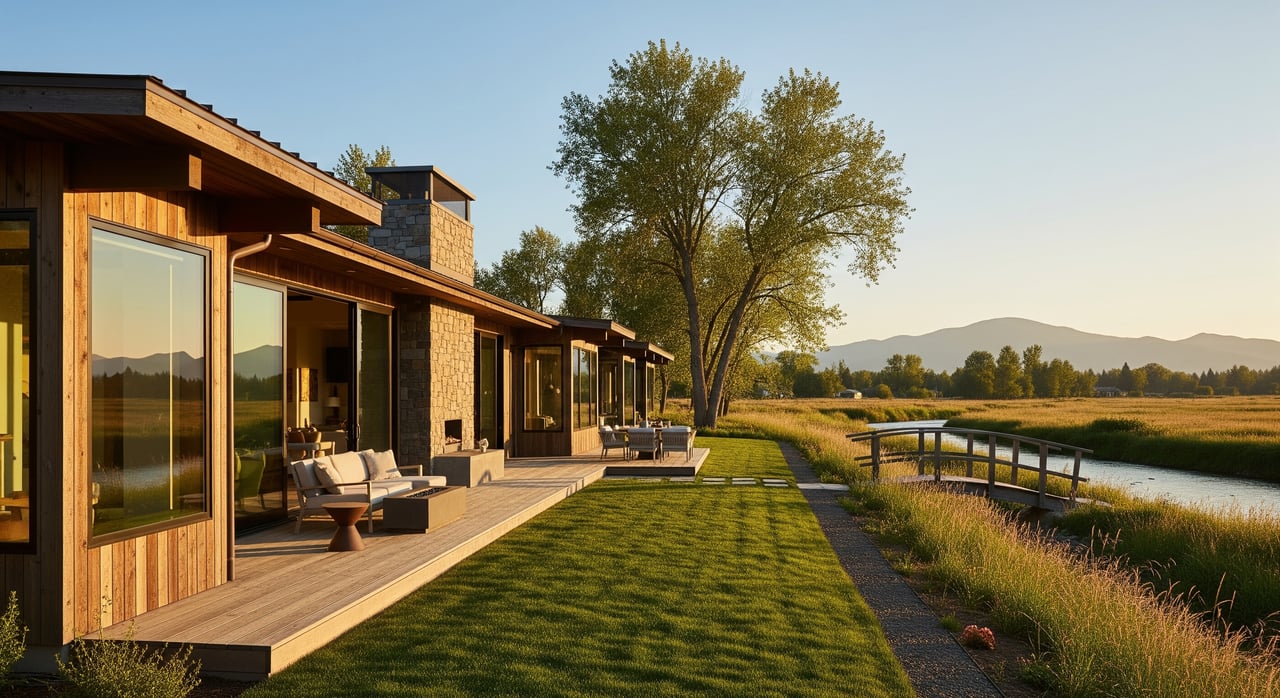
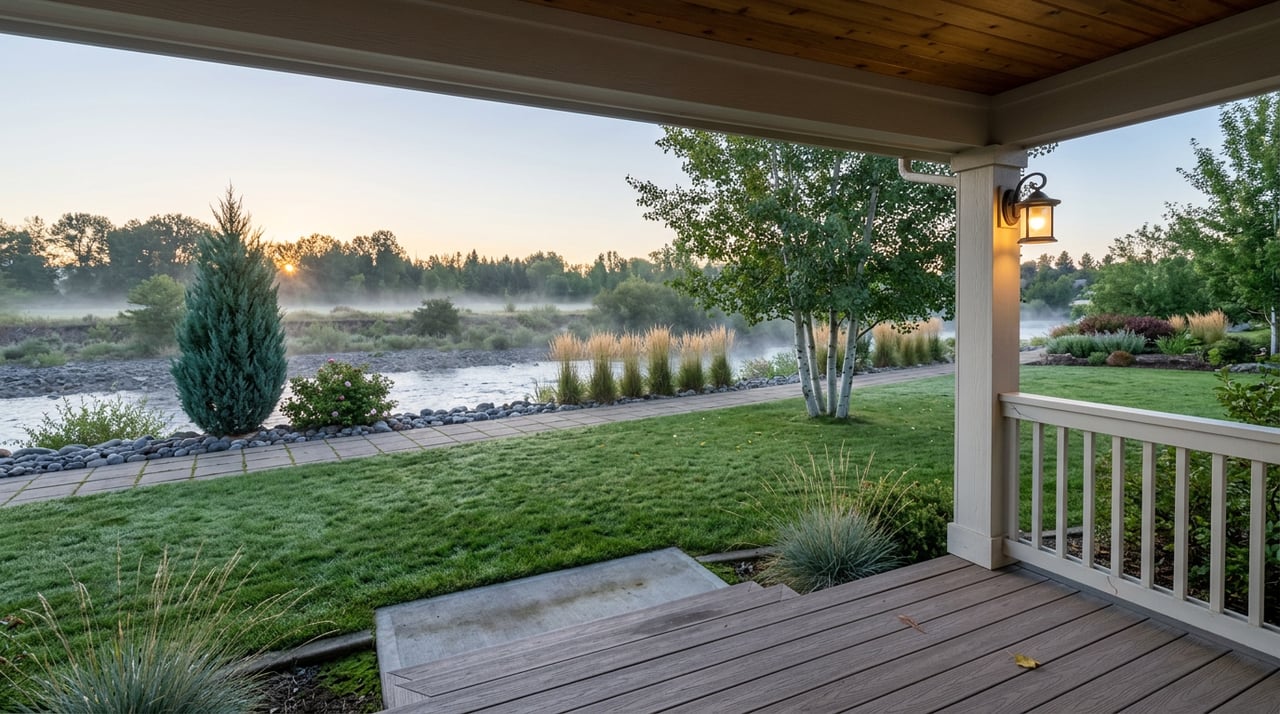
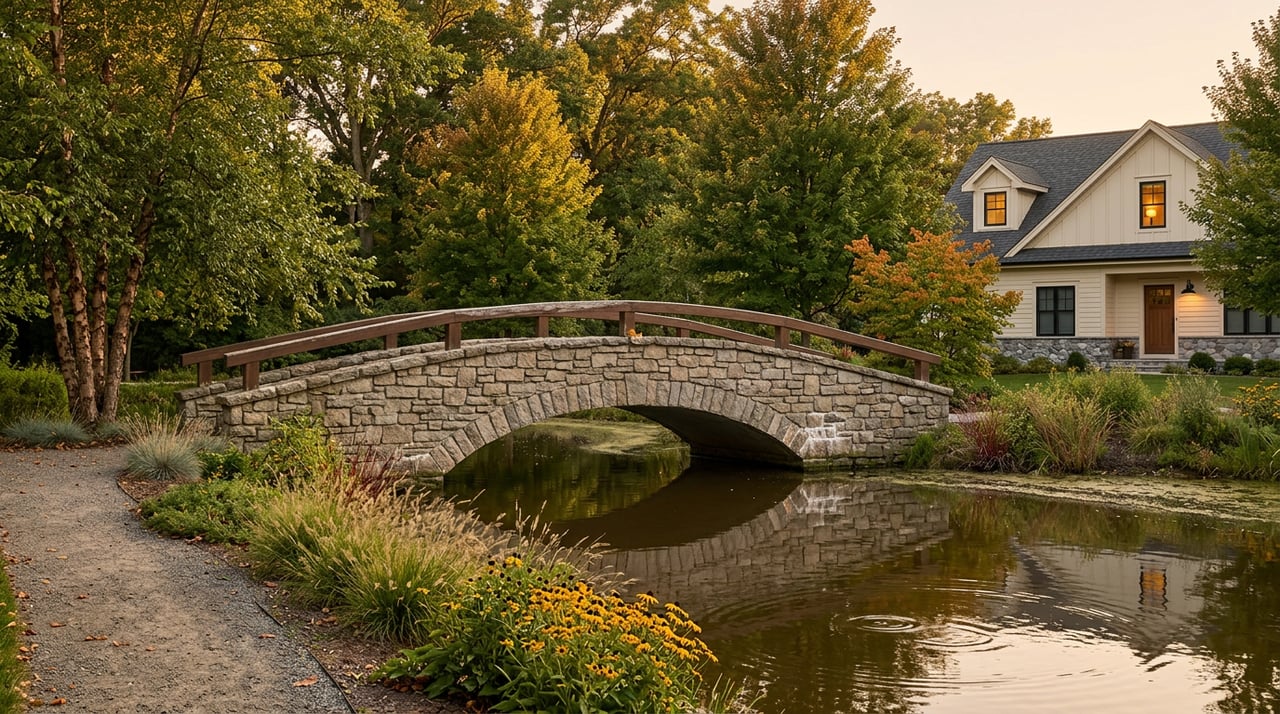
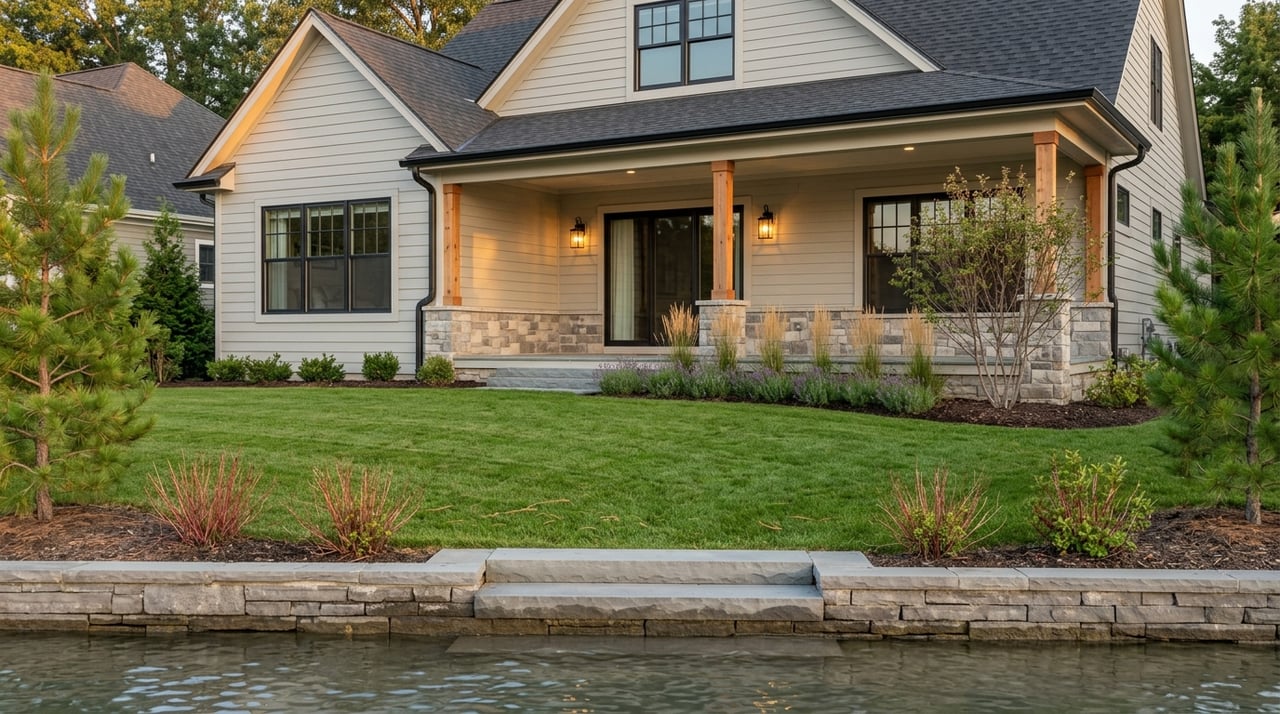
Picture stepping out your back gate to a tree-lined path and open space instead of another backyard. If you are considering a home in Mace River Ranch, that vision might be what draws you to properties that border the greenbelt. It is a lifestyle upgrade for many buyers, but it also comes with unique rules, due diligence, and value considerations. In this guide, you will learn what “greenbelt-adjacent” really means here, how to confirm a lot’s status, and how to weigh the benefits and tradeoffs with confidence. Let’s dive in.
What “greenbelt-adjacent” means
In practical terms, a greenbelt-adjacent home borders publicly accessible open space, a trail corridor, river or riparian buffer, or a permanently protected vegetated strip. The corridor may be public land, a recorded trail easement, or a private conservation easement. Each option has different rules for access and use.
Because the term “greenbelt” is used loosely across Idaho, you should verify what the corridor behind a specific lot is called and how it is regulated. In some cases, you are next to a public trail. In others, you border a conservation area that looks similar but has private access rules.
How to confirm adjacency for a lot
Start with records, then ground-truth your findings on site. Here is a straightforward process you can follow for any parcel in Mace River Ranch:
- Pull the Ada County GIS parcel viewer and aerial imagery to see if the rear lot line touches dedicated open space, a trail corridor, or the river corridor. Overlay floodplain if available.
- Review the recorded subdivision plat and any dedication notes. Plats typically show public access easements, trail alignments, and open space tracts.
- Ask the HOA or developer for current community maps and written easement descriptions. Confirm whether the corridor is public or private and what that means for day-to-day use.
- Order a preliminary title report to identify recorded easements, covenants, or restrictions that affect the rear of the lot.
- If boundaries feel tight or unclear, schedule a site walk with a licensed surveyor to verify markers and any improvements near the property line.
Together, these steps tell you whether a lot truly backs the greenbelt and what kind of corridor it is.
Rights, rules, and restrictions
Greenbelt-edge homes interact with more agencies and rules than interior lots. Before you plan a fence, patio, or yard project, confirm requirements with the appropriate sources.
- Easements and access. Public access, trail, utility, or conservation easements can limit fencing, structures, and landscaping near the rear line. Check the Ada County Recorder for recorded easements, the subdivision plat, and the HOA CC&Rs.
- Floodplain, floodway, and watercourse rules. Lots near rivers may lie in FEMA flood zones or local special management areas. This can trigger building setbacks, elevation standards, permits, and lender-required flood insurance. Check FEMA Flood Map Service Center data and Ada County floodplain maps and permitting standards.
- Riparian and shoreline protections. Work near a riverbank, including hardscape, tree removal, or erosion control, may require permits. Confirm with Ada County Planning, the Idaho Department of Water Resources, and the Idaho Department of Environmental Quality.
- Conservation easements. If the corridor is under a conservation easement held by a land trust or a government entity, the recorded easement deed controls allowed uses and maintenance.
- HOA covenants. CC&Rs and HOA rules define owner vs HOA responsibilities. They may address fencing, trail access points, vegetation, and maintenance.
When in doubt, confirm with Ada County Planning and Zoning or the local city planning department with jurisdiction over the neighborhood, and review the recorded documents tied to your specific parcel.
Benefits you can expect
Buying along a greenbelt is about lifestyle. Many buyers prioritize these advantages:
- Immediate access to trails and open space for walking, biking, birdwatching, or quiet time by the river.
- A view corridor that often feels wider and more private than a typical backyard-to-backyard setting.
- Long-term rear protection when the corridor is public land or governed by a conservation easement.
- Strong buyer interest. Many markets see elevated demand for homes that back open space, though the level of any premium varies by lot, view, and risk factors.
Tradeoffs to weigh
There are real considerations that can affect your budget, privacy, and project plans. Go in with eyes open:
- Flood risk and insurance. Proximity to water can mean higher flood risk. If a parcel lies in a FEMA Special Flood Hazard Area, lenders typically require flood insurance.
- Public access and privacy. Public trails introduce foot and bike traffic and can reduce perceived privacy, especially near trailheads or rest areas.
- Vegetation and maintenance. Leaf and seed drop, volunteer plants, and pest habitat are common. Some maintenance falls to the HOA or public agency, but confirm your responsibilities.
- Wildlife and pests. Riparian edges attract wildlife. Secure trash, pet food, and outdoor items that can invite unwanted visits.
- Regulatory constraints. Easements, setbacks, and riparian rules can limit fences, patios, or other backyard projects.
Smart valuation and resale tips
Greenbelt-adjacent homes can perform well, but pricing is nuanced. Here is how to evaluate value without guesswork:
- Compare like with like. Review recent sales for homes that back open space and match them to similar interior homes by size, age, condition, and lot characteristics.
- Track more than price. Days on market, list-to-sale ratios, and the presence of flood insurance requirements can shift buyer behavior.
- Budget for recurring costs. HOA dues or special assessments sometimes cover trail and landscape upkeep. Insurance needs can also affect total monthly housing costs.
- Consider buyer pools. Some buyers will pay more for greenbelt living. Others prefer interior lots with maximum privacy. Understanding this mix helps set pricing and marketing strategy.
Your due diligence checklist
Collect documents, inspections, and answers before you remove contingencies. Use this list for any property claimed to be greenbelt-adjacent in Mace River Ranch.
Documents to request:
- Recorded plat map and legal description showing dedicated open space and easements
- Preliminary title report and deed with all easements and covenants
- HOA CC&Rs, bylaws, recent meeting minutes, and current financials
- Floodplain determination letter and a FEMA flood map printout for the parcel
- Any recorded conservation easement affecting the lot or neighboring tracts
- Recent survey locating property lines and any encroachments
Inspections and professional reports:
- Site walk with a licensed surveyor to verify rear boundary and improvements
- Flood elevation certificate and consultation with a qualified floodplain manager if the lot is in or near a mapped flood zone
- Soil and erosion assessment if the rear yard is near a bank or retaining structure
- Arborist review of mature trees near the rear yard for health and hazard potential
- Pest inspection focused on corridors that can harbor rodents or other pests
Questions to ask the seller, HOA, or developer:
- Who maintains the corridor and trail, and how is it funded?
- Is there recorded public access or a conservation easement behind the lot?
- Have there been flooding events affecting this lot or the immediate area?
- Are any public works or trail expansions planned that could change use or access?
- What are the rules for fences, patios, outbuildings, and landscaping at the rear line?
- Have there been past issues with trail users, trespass, or vandalism?
Red flags to watch for:
- Unrecorded “friendly” access or maintenance agreements that will not bind future owners
- Evidence of active bank erosion or recent mitigation work without permits
- Conflicts between the recorded plat and HOA documents that need clarification
- Signs of pending development on nearby land that could alter views or access
Who maintains what
Maintenance responsibilities vary by community and corridor type. In some subdivisions, the HOA funds trail and landscape upkeep through dues. In others, a public agency manages and maintains the trail while owners handle fencing or vegetation on their side of the property line.
To avoid surprises, review CC&Rs, the recorded plat, and any trail or conservation easement documents. Then confirm the practical day-to-day plan with the HOA manager or the applicable parks or public works department.
How we help
Buying or selling along a greenbelt requires clarity, timing, and strong negotiation. You get concierge-level guidance from a local advisor with deep neighborhood knowledge and builder relationships.
- Buyer representation. You will get targeted property selection, access to new-construction and lot opportunities, coordination with surveyors and floodplain experts, and clear guidance on easements and CC&Rs.
- Seller representation. Expect studio-level marketing, precise pricing supported by matched comps, and narrative positioning that highlights the best aspects of your rear exposure and access.
- Builder and new-construction support. If you plan to build, we help source lots, align you with trusted builders, and coordinate from contract through close.
When you are ready to discuss a specific parcel in Mace River Ranch, reach out to schedule a private consultation with Georgie Pitron. You will get a calm, step-by-step plan and the local access you need to move forward with confidence.
FAQs
Are greenbelt-adjacent homes in Mace River Ranch protected from future development?
- Often, yes, when the corridor is public land or under a recorded conservation easement, but you should confirm protections in recorded documents and local plans before closing.
Do you need flood insurance for a home near the river corridor in Ada County?
- If your lot is in a FEMA Special Flood Hazard Area, lenders typically require flood insurance; even outside mapped zones, it is wise to review flood maps and consider a flood elevation certificate.
Can you build a fence or patio along the rear lot line next to the greenbelt?
- It depends on recorded easements, HOA CC&Rs, and local setback rules, so verify the plat notes, title report, and community guidelines before building.
Who maintains the trail or open space behind a greenbelt-adjacent home?
- Maintenance may be handled by a public agency, the HOA, or a private entity; confirm responsibilities and funding in recorded documents and with the HOA or parks department.
Do greenbelt-adjacent homes always sell for more than interior lots?
- Many markets show stronger demand and potential premiums for high-quality greenbelt exposure, but results vary by view, risk, maintenance obligations, and buyer preferences.
How can you verify if the corridor behind a specific Mace River Ranch lot is public or private?
- Review the recorded plat and easement documents, check the Ada County GIS parcel viewer, and request written confirmation from the HOA or developer about access and use rules.