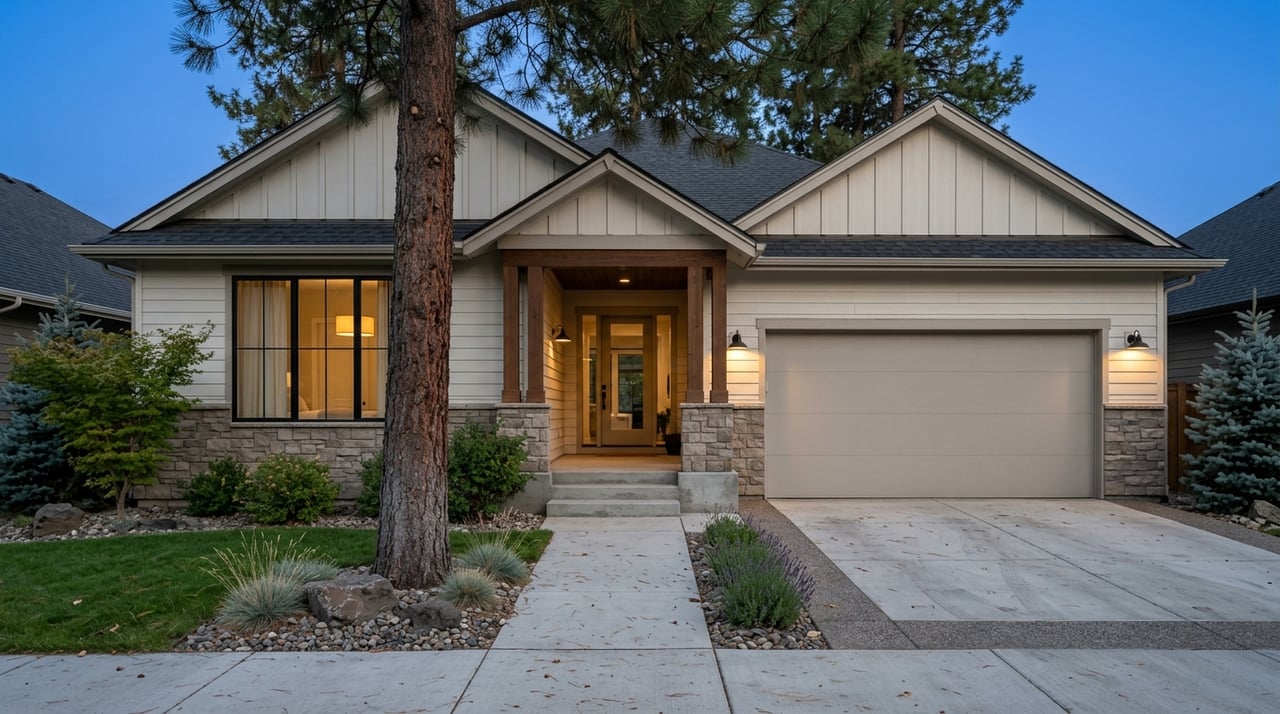
Lexington Hills vs New Builds in Eagle: What to Know
May 28, 2026
May 28, 2026
Trying to choose between Lexington Hills and a newer Eagle community? You are not just comparing homes. You are comparing two very different living experiences in one of the Treasure Valley’s most sought-after areas. This guide will help you weigh mature surroundings, newer amenities, lot feel, and long-term fit so you can decide with more confidence. Let’s dive in.
Lexington Hills offers something many buyers notice right away: a sense of permanence. Local neighborhood profiles describe it as an established Eagle subdivision of about 330 acres with 634 homes, roughly 40 to 44 acres of common or open space, ponds, mature trees, and walking paths.
That matters because the neighborhood experience is already formed. The tree canopy is in place, the streetscape feels settled, and the open areas are not a future promise. For many buyers, that creates a calm, finished feel that is hard to replicate in a brand-new neighborhood.
Most homes in Lexington Hills were built between 1992 and 2004. Reported lot sizes generally range from about 0.19 to 0.28 acres, which gives you a useful baseline if you are comparing yard space with newer Eagle options.
Newer Eagle communities often attract buyers who want a more current home style and an amenity-rich setting. Eagle’s development standards require pathway design and construction in new developments unless the City Council approves otherwise, which helps explain why many newer neighborhoods emphasize trails, open space, and connectivity.
That newer-product category is not one-size-fits-all. Some communities lean into resort-style amenities, while others focus on waterfront living, walkability, or a more modern neighborhood look.
Legacy is one example of a large planned community approach. It spans about 590 acres and includes amenities such as a 3-hole golf course, pool and pool house, tennis and pickleball courts, a soccer field, water features, and walking trails.
Other newer communities show how varied the choices can be. Valnova emphasizes open space, recreation, walkable spaces, and a broad range of homes. Terra View highlights waterfront living with 21 lakes, private beaches, a clubhouse, a resort-style pool, splash pad, fitness center, parks, and trails. Eagledale combines townhomes and single-family homes with a modern farmhouse style, plus a pool, pickleball courts, and a pond.
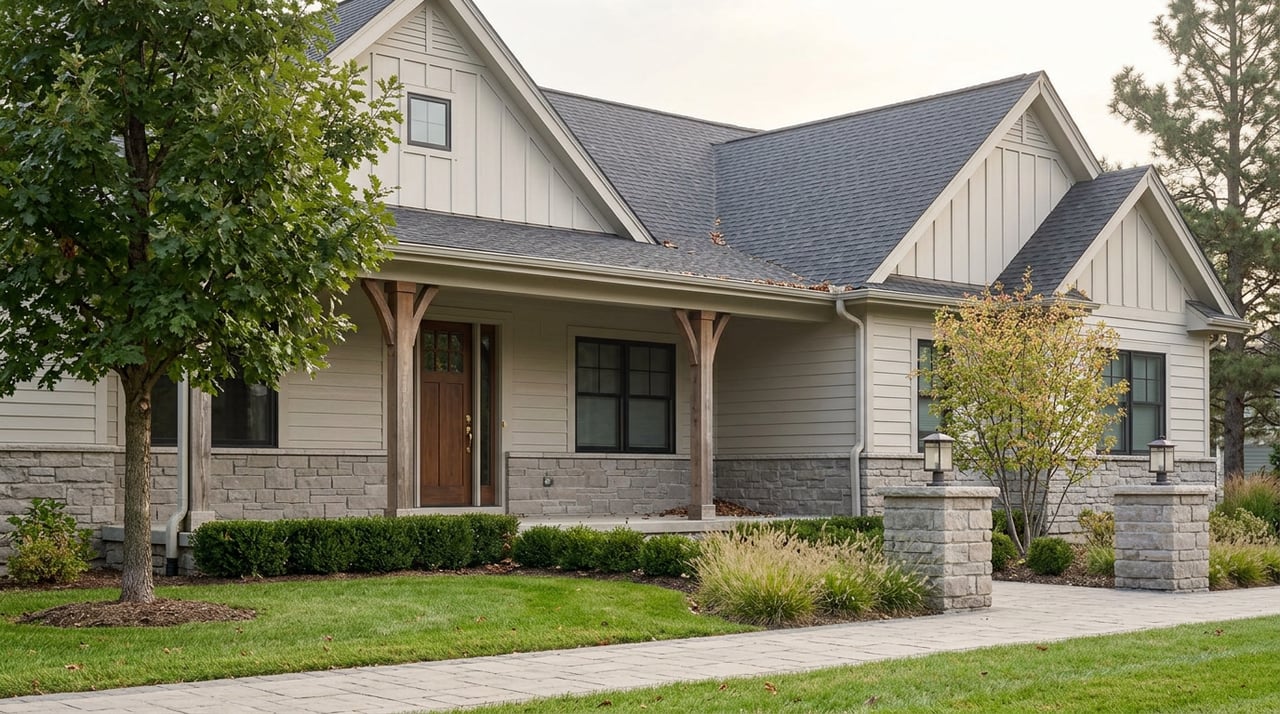
This is really the heart of the decision. Lexington Hills tends to appeal to buyers who value mature landscaping, established streets, and a neighborhood that already feels complete.
Newer Eagle communities tend to appeal to buyers who want fresher architecture, newer floor plans, and a stronger emphasis on shared amenities. If you like the idea of a brand-new home or a neighborhood designed around recreation and connectivity, newer communities may feel like a better match.
Neither choice is automatically better. It depends on whether you care more about setting and maturity or newness and built-in lifestyle features.
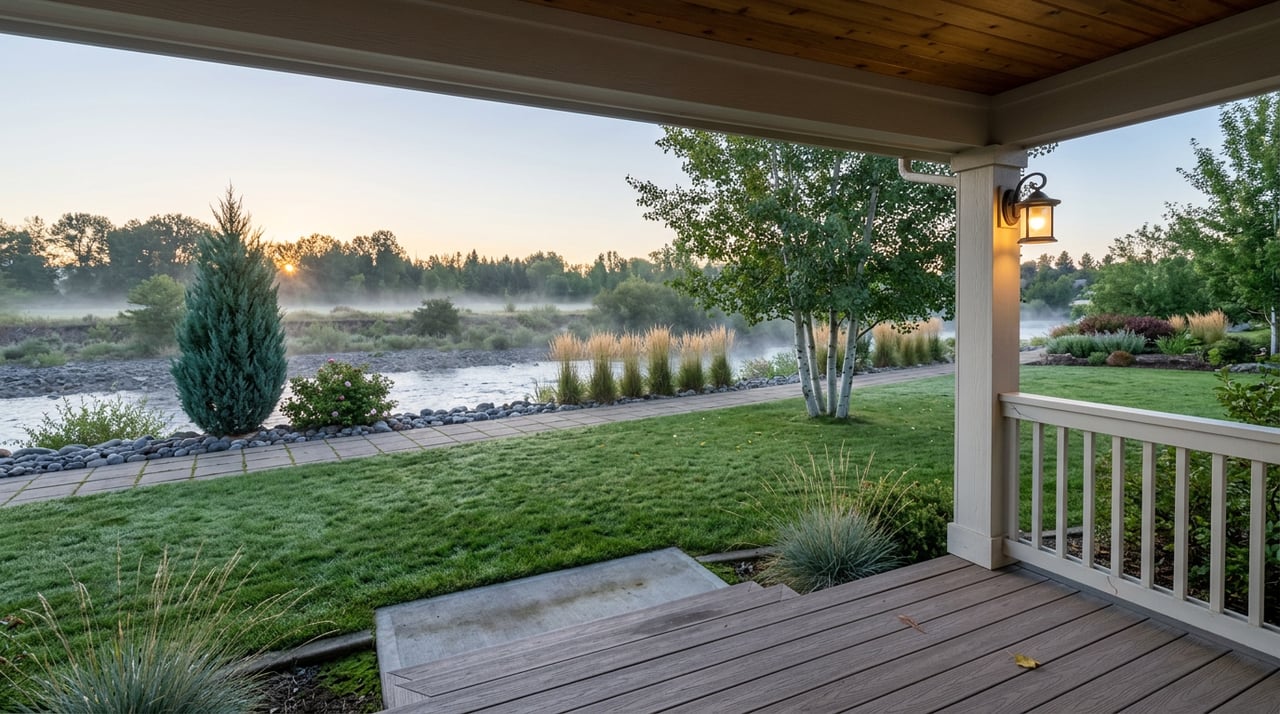
One of the biggest differences between Lexington Hills and newer neighborhoods is what you see outside your windows. In Lexington Hills, mature trees, ponds, and established common areas create a more layered visual feel.
In a newer community, landscaping may be thoughtfully planned, but it is still developing. Trees are younger, planting beds are newer, and the overall look may take years to fully mature.
If you want instant shade, deeper greenery, and a neighborhood that already feels rooted, Lexington Hills has a clear advantage. If you prefer crisp newer streetscapes and do not mind waiting for the landscape to fill in, a newer community may still be a great fit.
A common mistake is treating all HOA dues and all neighborhoods as if they offer the same value. They do not. Lexington Hills has a documented HOA structure with quarterly dues plus separate irrigation charges, while Legacy’s quarterly HOA fee includes common-area landscape maintenance.
That is why it helps to compare what dues actually cover rather than just the amount. In one neighborhood, you may be paying primarily for common-area upkeep and irrigation structure. In another, you may be paying for more extensive amenities like pools, courts, trails, club spaces, or waterfront features.
Before you choose, ask for the full picture. You want to know what is included, what is separate, and how that lines up with how you actually plan to live.
Lexington Hills homes were built over a different era, so the architecture and interior layouts may reflect that. Some homes may offer strong bones and generous lots, but they may also need updates in kitchens, baths, flooring, or outdoor spaces depending on the property.
Newer Eagle communities usually start from the opposite position. Their advantage is often move-in-ready finishes, more current layouts, and design options that feel tailored to today’s buyer preferences.
If you enjoy the idea of customizing through renovation, Lexington Hills may offer opportunity. If you want immediate usability with less near-term updating, newer construction may be more attractive.
Resale potential often comes down to how a future buyer will see the same trade-offs you see today. In Lexington Hills, the neighborhood’s maturity and established character can be part of the draw, but individual home updates may matter a lot because the homes are now several decades old.
In newer communities, the resale story may center more on current finishes, efficient layouts, and amenity access. Buyers who want something turnkey may respond strongly to that combination.
The takeaway is simple: neighborhood identity matters, but property condition still matters. In either setting, the homes that align best with buyer expectations tend to stand out.
If you are deciding between Lexington Hills and a newer Eagle community, use a checklist that keeps the comparison practical.
This kind of side-by-side review can help you move past surface impressions. It also makes it easier to identify which community truly supports your daily lifestyle.
If you are drawn to mature landscaping, established common areas, ponds, and a neighborhood that already feels fully grown in, Lexington Hills may be the stronger fit. It offers a classic Eagle subdivision experience with a more settled atmosphere.
If you want newer design, broader amenity packages, and a community built around trails, recreation, or a specific lifestyle concept, a newer Eagle neighborhood may suit you better. The right answer depends less on age alone and more on how you want your home and neighborhood to function day to day.
A smart search does not stop at price or square footage. It looks at how each community feels, what your dues support, and whether the home style matches the way you want to live now and later.
If you want help comparing Lexington Hills with newer Eagle communities in a more tailored way, Georgie Pitron can help you evaluate neighborhood character, builder options, resale considerations, and the details that matter most to your goals.
Stay up to date on the latest real estate trends.



Get assistance in determining current property value, crafting a competitive offer, writing and negotiating a contract, and much more. Contact her today.