Designing Your Ideal Acreage Home In The Colony
May 7, 2026
May 7, 2026
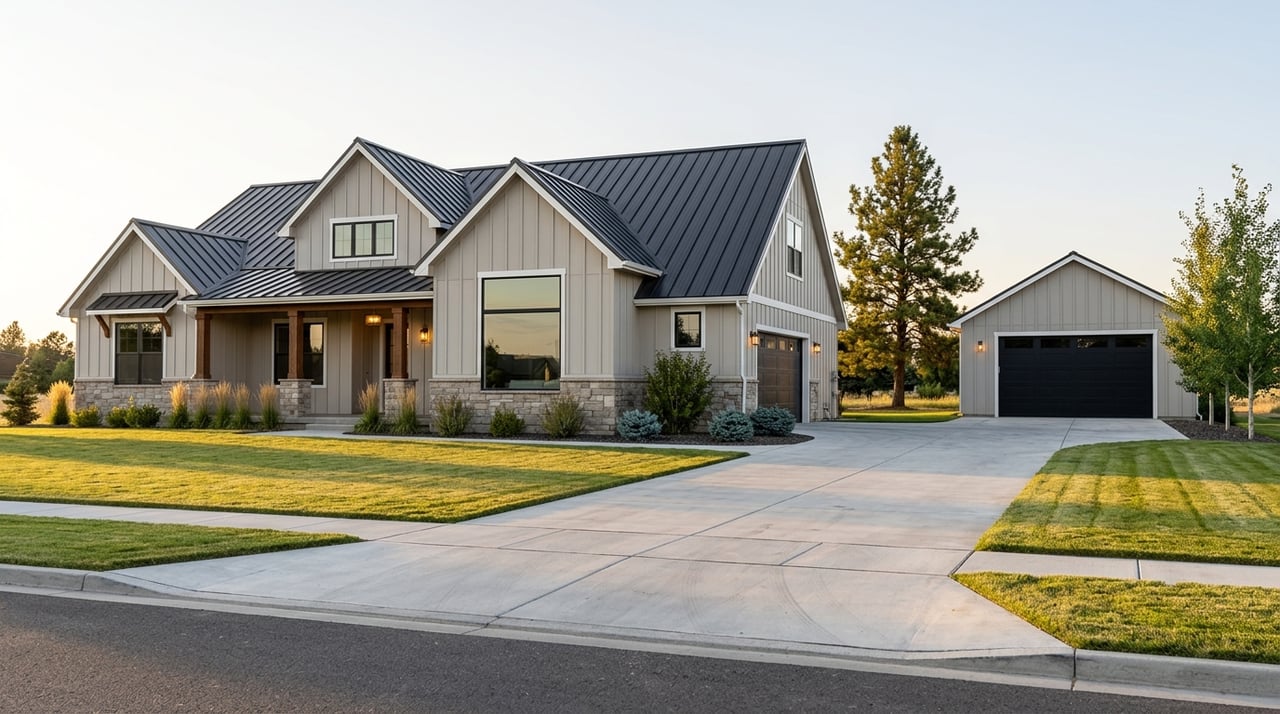
If you want room to spread out without giving up convenience, The Colony offers a rare balance. These homesites feel established and spacious, with many lots around an acre, mature landscaping, and flexibility for features like shops, pools, and generous outdoor living. When you start planning your ideal acreage home here, the smartest decisions happen before the final floor plan is drawn. Let’s dive in.
The Colony feels more like a mature custom-home neighborhood than a blank-slate subdivision. Recent listings point to lots around 0.85 to 1.05 acres, with homes often built in the early 2000s and features like attached 3-car garages, mature landscaping, and in some cases detached shops or room for a future shop, ADU, or pool.
That combination matters if you want breathing room and a finished neighborhood feel. You are not just designing a house. You are shaping how the home, yard, privacy, and future flexibility all work together on a sizable homesite.
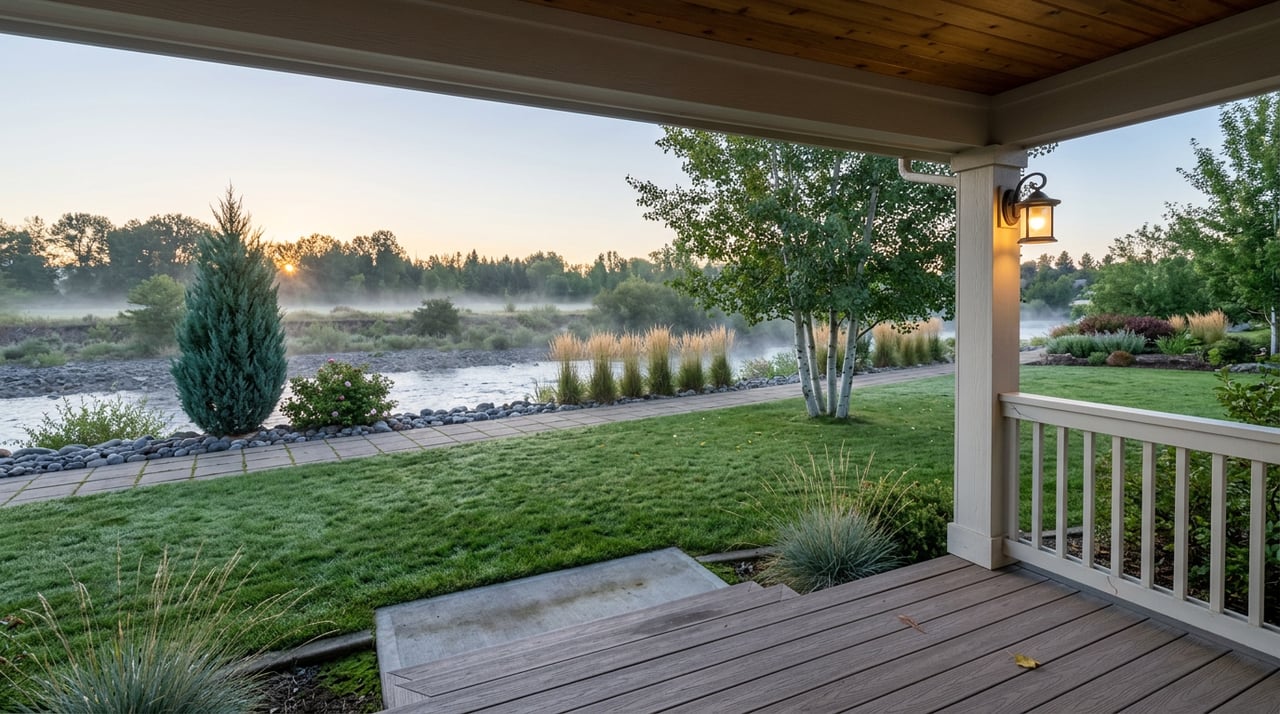
Another advantage is location. The Colony gives you acreage living while keeping you connected to downtown Eagle, where the city highlights walkable access around Heritage Park and Arboretum Park, along with parking options and connections to the Boise River greenbelt and the Eagle Road pedestrian and bike bridge.
On a one-acre homesite, it is easy to assume you can place the house almost anywhere. In practice, the buildable area depends on setbacks, street conditions, easements, and lot shape.
In Eagle, residential parcels have setback requirements that can change based on the street type. The city code sets a 30-foot front-yard setback from arterial and collector streets and a 25-foot street-side setback in residential zoning districts. The city also measures residential setbacks from the back of sidewalk or curb, which means your usable depth may differ from what a lot map seems to show at first glance.
That detail can affect the entire layout. A few feet in the wrong place can impact porch depth, garage orientation, driveway length, backyard space, or whether a future pool or shop still fits comfortably.
Driveway geometry is not just about curb appeal. Eagle requires driveway length to extend 19 feet beyond the back of sidewalk or curb so parked vehicles do not sit in the travel corridor.
If you want a deeper front yard, more guest parking, or a clean motor-court feel, this should be part of your early planning conversation. It is especially important if your home design includes a large garage, RV bay, or side-load configuration.
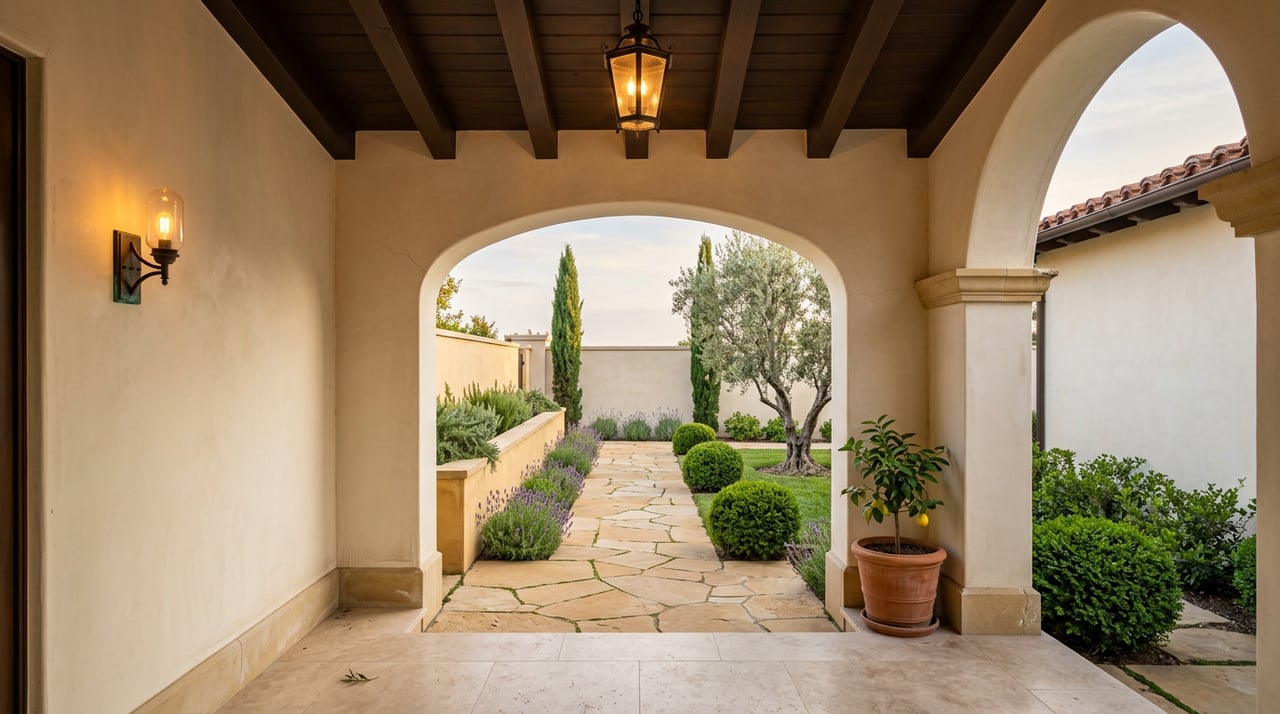
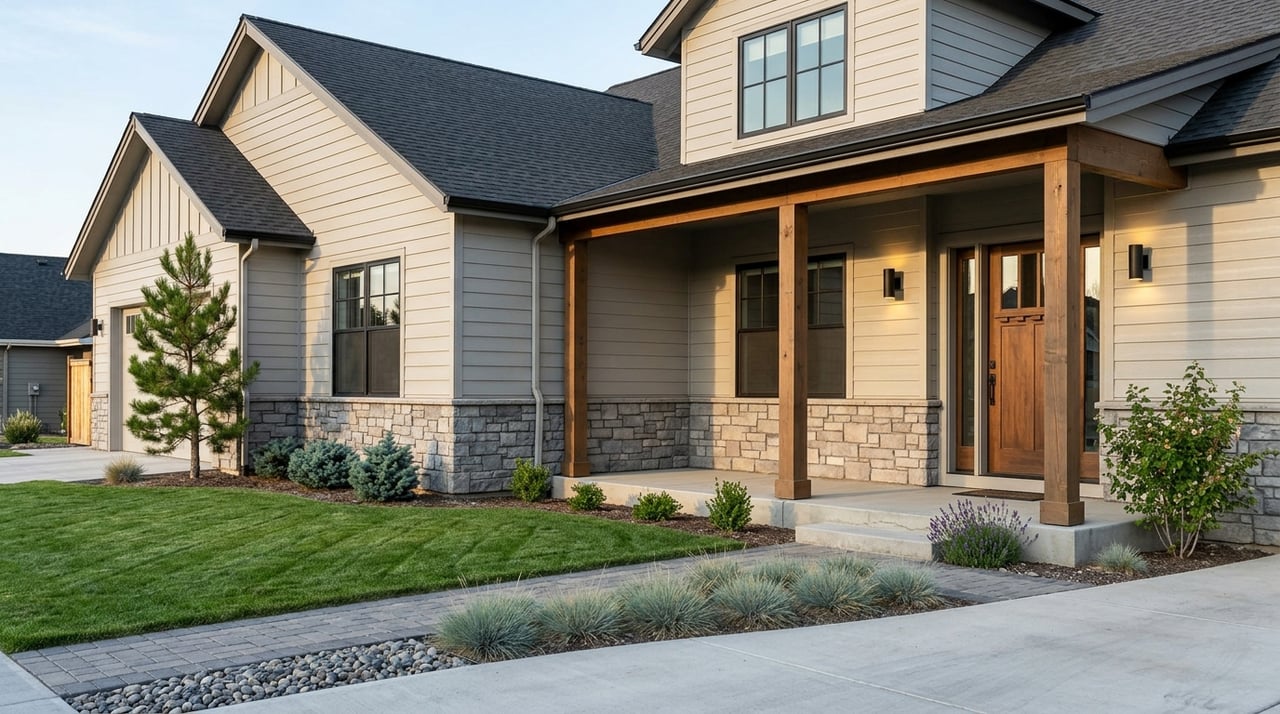
Open porches may project up to 5 feet into the front setback if they remain at least 3 feet from the sidewalk or 8 feet from the curb where there is no sidewalk. That can be helpful if a welcoming front porch is part of your vision.
Still, the exact fit depends on the lot. Before you commit to a design, it is worth confirming parcel-specific setback information with the city.
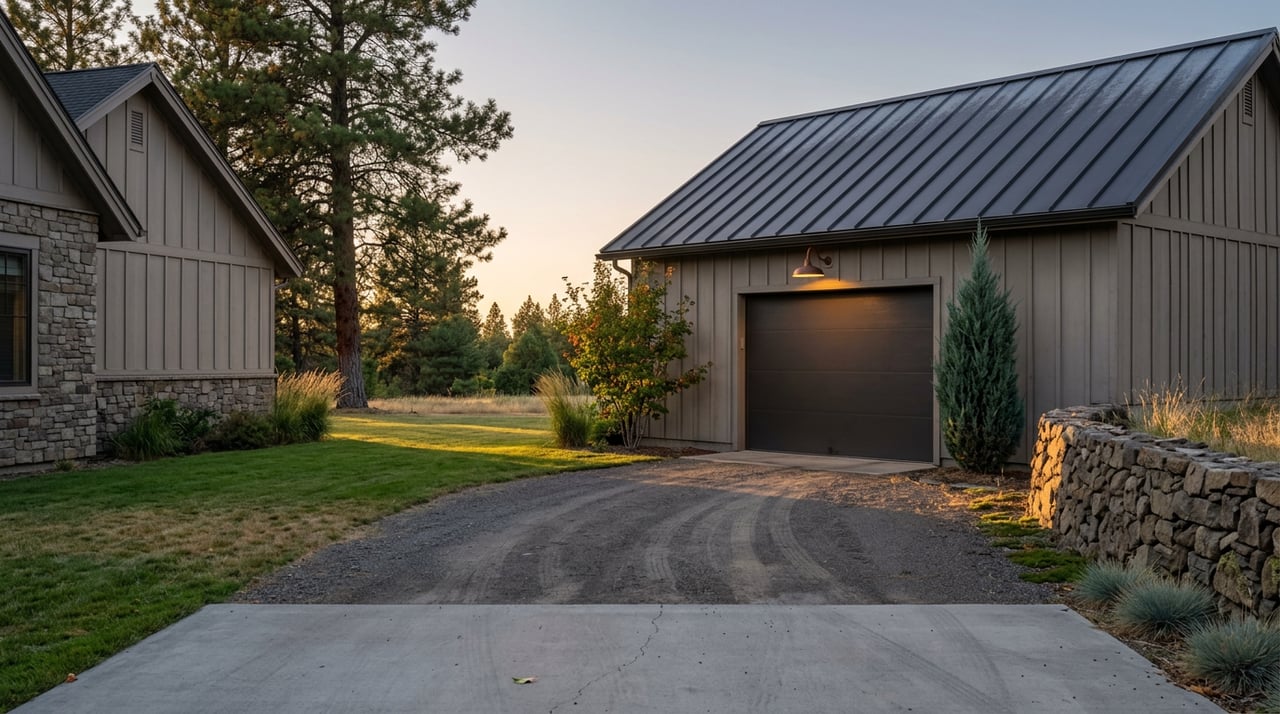
One reason buyers are drawn to acreage property in The Colony is the potential for more than just the main house. Depending on the parcel and approvals, you may be able to create space for a detached garage, shop, pool house, cabana, barn-style storage, or other accessory structure.
Eagle defines accessory structures broadly, and the rules around placement matter. In residential zones, accessory structures generally cannot be placed in the front or street-side yard, except for garages and accessory dwellings.
That means your future shop or detached garage should not be treated as an afterthought. If you know you want hobby space, extra vehicle storage, a home fitness outbuilding, or room to expand later, reserve that area before the main house footprint is finalized.
The city’s waiver process may allow an accessory building within 15 feet of the rear property line if it fits the surrounding development pattern, does not impair adjoining property use, and does not reduce sight distance. That can open up more flexibility on some homesites.
But flexibility is not automatic. If a detached structure is part of your long-term plan, you will want to verify whether a waiver could be needed and how that timing fits into your project.
Eagle’s building department currently lists about 6 weeks for plan review on single-family homes, accessory dwelling units, detached garages or shops, sheds, additions, and swimming pools, assuming no revisions are required. That timeline is useful when you are building a realistic schedule.
If revisions are needed, your timeline may stretch. For many buyers, that is a good reason to coordinate site planning carefully before submitting plans.
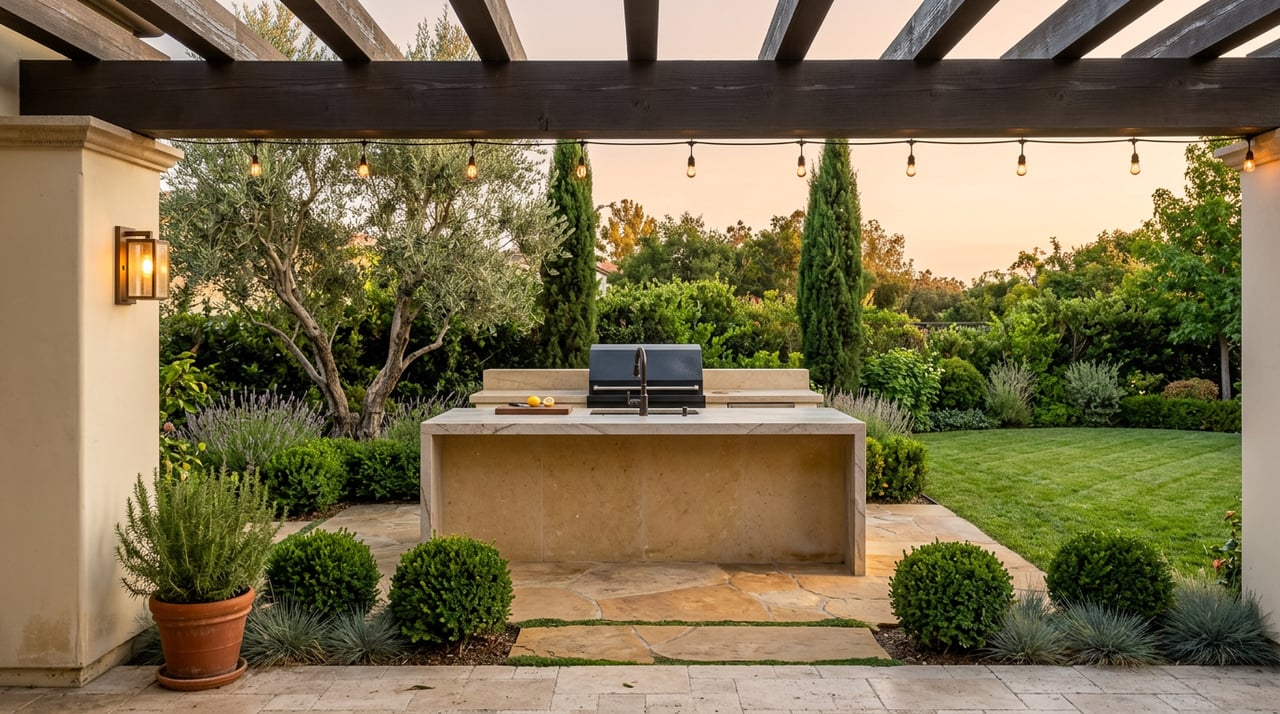
On a large lot, the backyard program often shapes daily life as much as the house itself. If your ideal property includes a pool, covered patio, built-in grilling area, lawn, sport space, or room for future additions, those elements should guide the home placement from the start.
This is especially relevant in The Colony, where recent listings suggest these lots can support substantial outdoor features. Some marketed properties mention covered patios, outdoor kitchens, large heated shops, and enough room for a future pool, ADU, or sizable detached building.
If a pool is part of the vision, Eagle limits pools to side or rear yards. The city also requires at least 3 feet of clearance from the water’s edge to property lines and easements, unless another building-related setback applies.
That may sound simple, but it can quickly shape your layout. A house placed too far back or too far to one side can limit pool placement, patio flow, or future recreation space.
A smart acreage plan often divides the lot into functional outdoor zones. That may include:
When you think in zones, it becomes easier to protect options for the future. That is especially valuable if you want a home that can evolve with your needs over time.
Privacy is often a top reason buyers look at acreage homesites. In The Colony, privacy design is about more than choosing a fence style.
Eagle’s fence rules limit what you can do in front-yard areas. No fence or wall may materially block vision above 2.5 feet from street grade, and picket fences with at least 50 percent open area may be allowed up to 4 feet. Chain-link fencing is prohibited in front yards and residential districts.
If your lot is on a corner or along certain streets, the standards can be more specific. Along streets identified as collectors or arterials, the city requires an open, decorative fence style such as wrought iron or another durable see-through material, with some other options allowed where code permits.
In many cases, the best privacy strategy on an acreage lot is layered landscaping rather than a tall front-yard barrier. That can include:
This approach often creates a softer and more polished look while working better with local code.
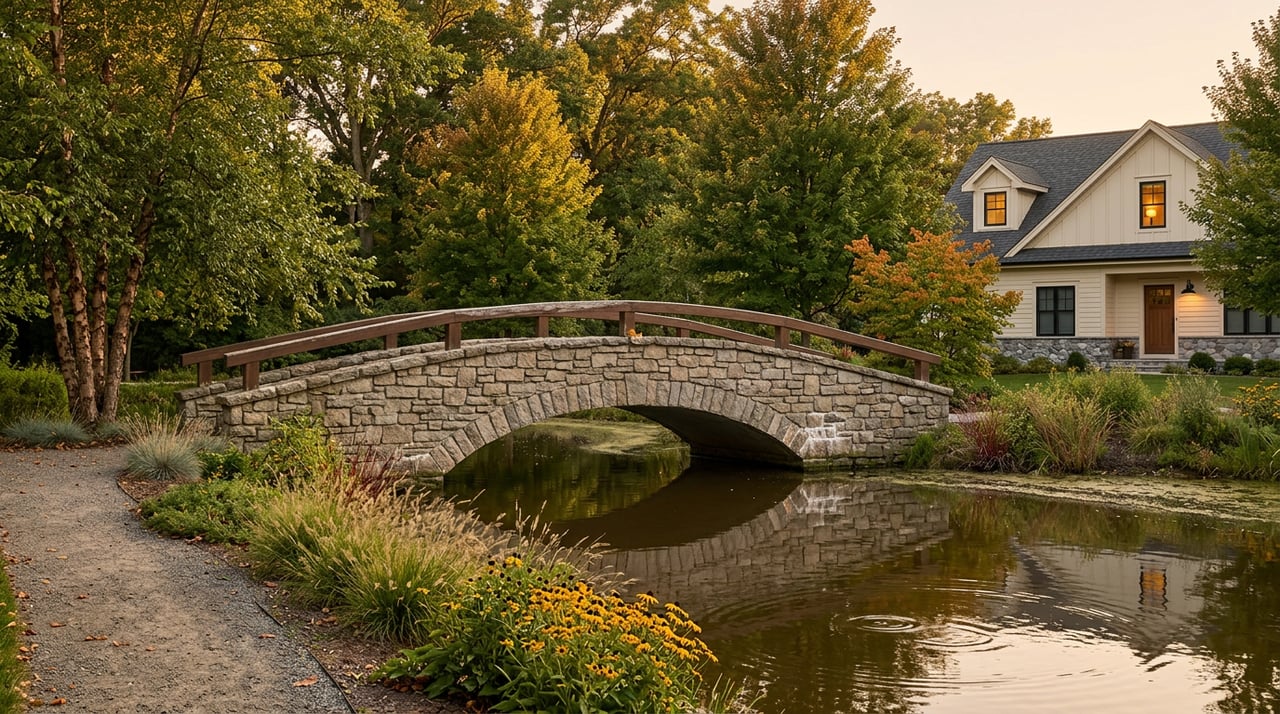
On established homesites, mature landscaping can be one of the biggest assets. It can provide shade, visual softness, and a sense of privacy that takes years to recreate.
Eagle’s tree-removal guidance notes that retained trees and shrubs must be protected from construction damage. It also warns that excavation within a tree’s drip line can harm vegetation, and it states that existing vegetation may count toward minimum landscaping requirements.
That makes tree preservation an early design issue, not a last-minute one. If grading, utility trenching, driveway placement, or a future shop could disturb mature trees, those tradeoffs should be reviewed before plans are locked in.
If you want strong privacy but do not want a high-maintenance landscape, a more intentional planting plan can help. Eagle also shares Idaho’s Living With Fire guidance for homeowners, which recommends keeping vegetation lean, clean, and green within at least 30 feet of the house, reducing dead material, limiting ladder fuels, and pruning limbs within 15 feet of chimneys, power lines, or the house.
For many acreage homeowners, that means choosing a landscape plan that looks lush without crowding the home. It is a practical way to balance beauty, maintenance, and long-term usability.
Before you write an offer or approve a design, gather the lot-specific information that can affect what is actually possible. This step can protect both your budget and your timeline.
The city advises buyers to ask for the recorded plat, exact easements, and parcel-specific setback information, especially on corner lots or lots fronting arterial or collector streets. The city also notes that approvals for accessory-structure waivers, fence permits, and similar items may require coordination with multiple agencies before final authorization.
Before moving forward, make sure you answer questions like these:
These are the kinds of details that shape whether your dream design feels smooth and intentional or stressful and expensive.
Designing an acreage home in The Colony is not only about style. It is about understanding how lot characteristics, Eagle code, review timing, and long-term lifestyle goals all connect.
That is where experienced local guidance can make a real difference. When you know how to evaluate the lot first, ask the right questions early, and align the design with the property’s real constraints and opportunities, you can move forward with much more confidence.
If you are considering a custom home, large-lot purchase, or future build in The Colony, working with a local advisor who understands Eagle’s neighborhoods and planning context can help you make better decisions from the start. To talk through your goals for acreage living in Eagle, connect with Georgie Pitron.
Stay up to date on the latest real estate trends.
Get assistance in determining current property value, crafting a competitive offer, writing and negotiating a contract, and much more. Contact her today.